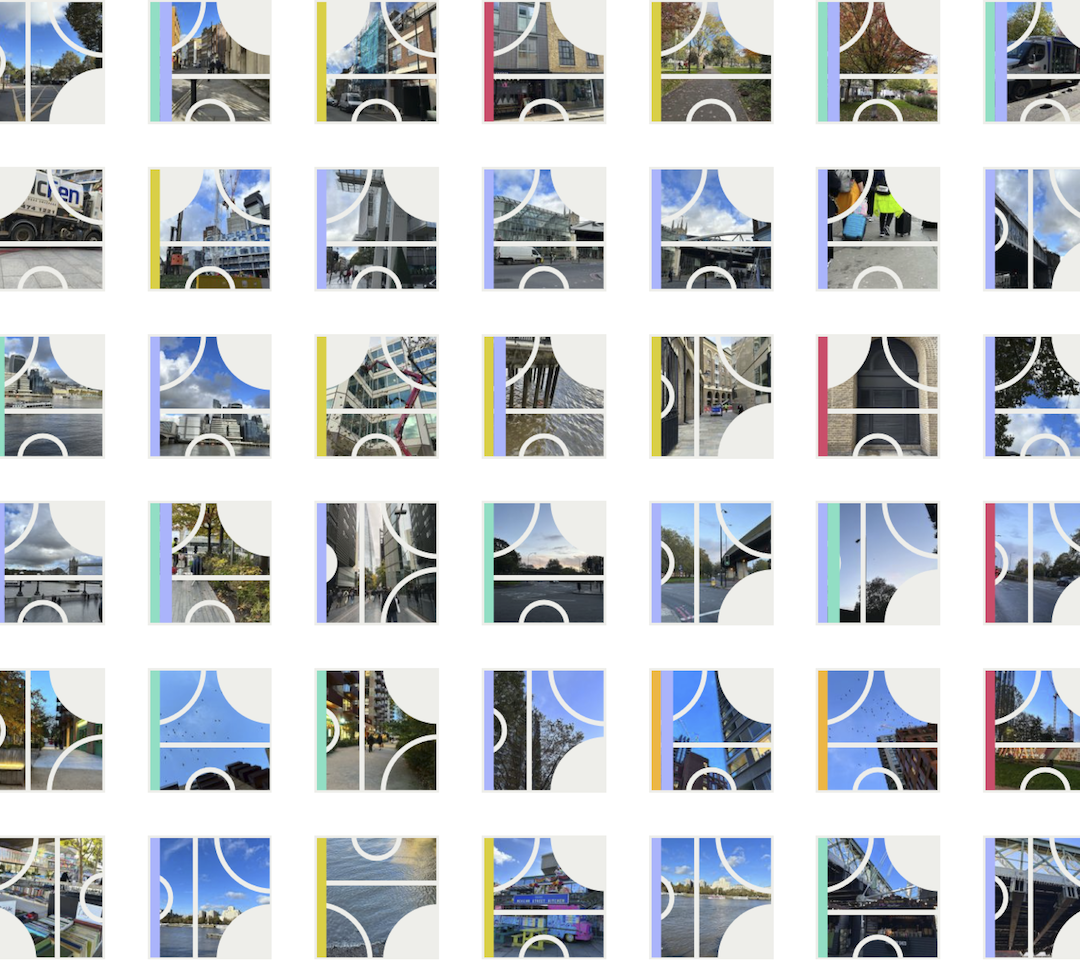
Atlas of Intangibles
Atlas of Intangibles is a data experience designed to highlight the rich, interconnected web of sensory information that lies beneath our everyday encounters.
A sensory inquiry into space, place, and practice
As we navigate everyday spaces rich in stimuli, our memories and associations of a place are structured and mediated by our senses. In Space and Place [1], Tuan notes that “... [a] place achieves concrete reality when our experience of it is total, that is through all the senses”.
Our personal memories of a place are situated in fleeting sensory experiences — the smell of the soil right after rain, bird songs scoring the background, smells of the bakery and markets, sounds of movements as people and traffic whiz by. This intersensorial information is “eye-invisible”, transient, and ephemeral [2]. However, traditional mapping practices — deriving their methods from scientific paradigms — view maps as objective and immutable artefacts to measure and notate the world [3]. These provide limited guidance for observing, collecting and representing such subjective, qualitative data [4].
It is not down on any map; true places never are.
While maps are often designed to appear objective, it is essential to recognise that this approach conceals underlying assumptions and the rich tapestry of people’s lived experiences [6]. Without a connection to the totality of our senses, our ability to experience and empathise with the world around us remains stunted [7]. As storytelling tools, maps connect people to their environment and each other through emobodied experience and memory.
Map-making has a long history of development, where methods for recording and representing geographical information have been refined over centuries [8]. In recent years, there has been a rise in humanistic approaches to data visualisation, and cartography is now primed for a similar expansion of perspectives.
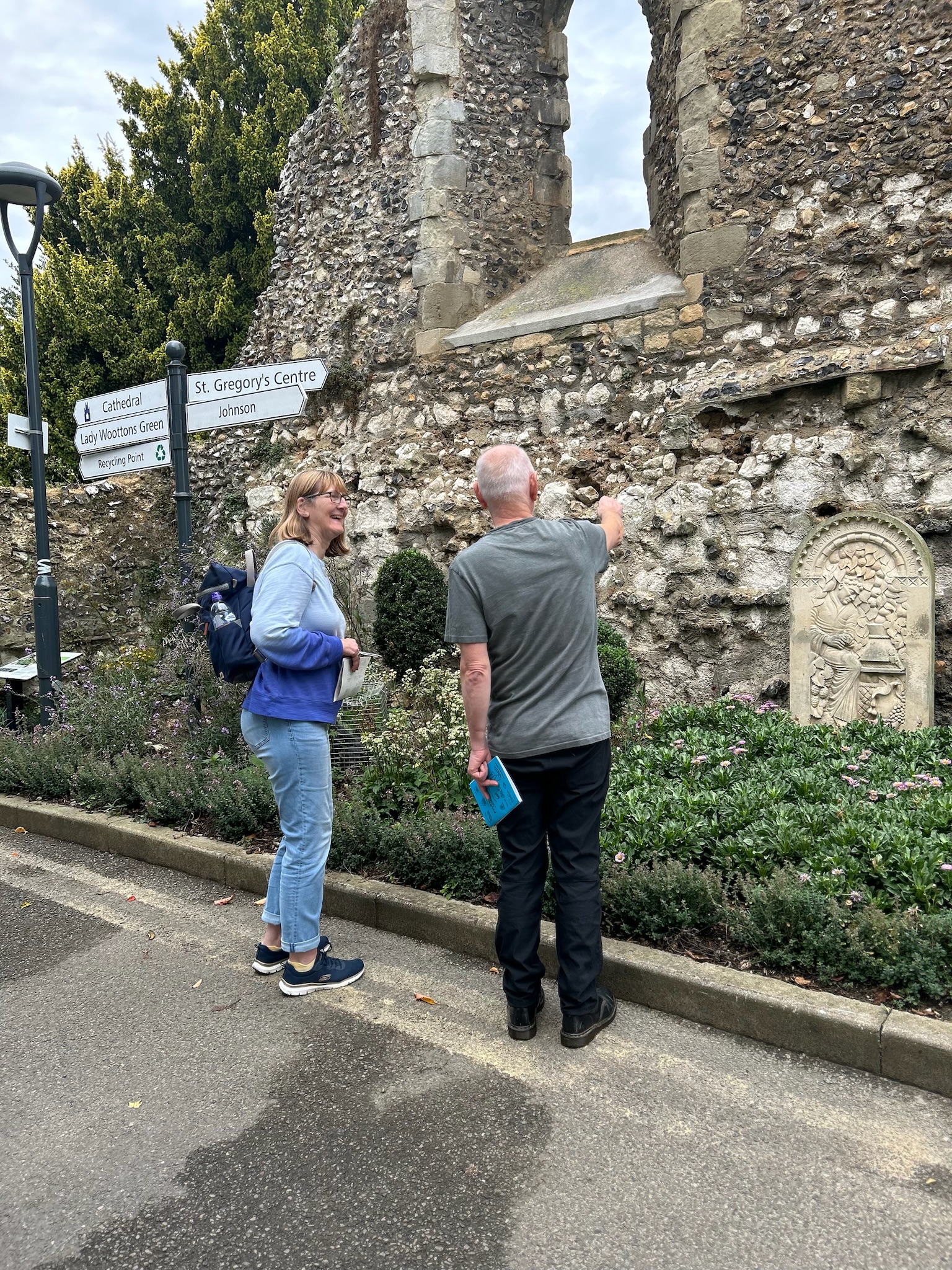
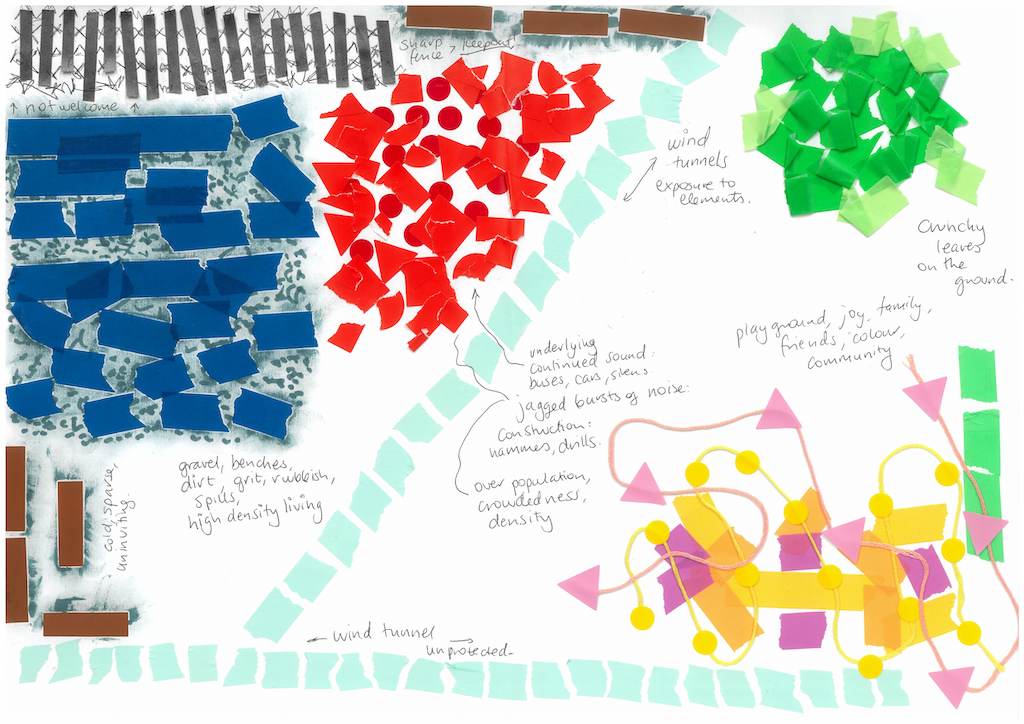
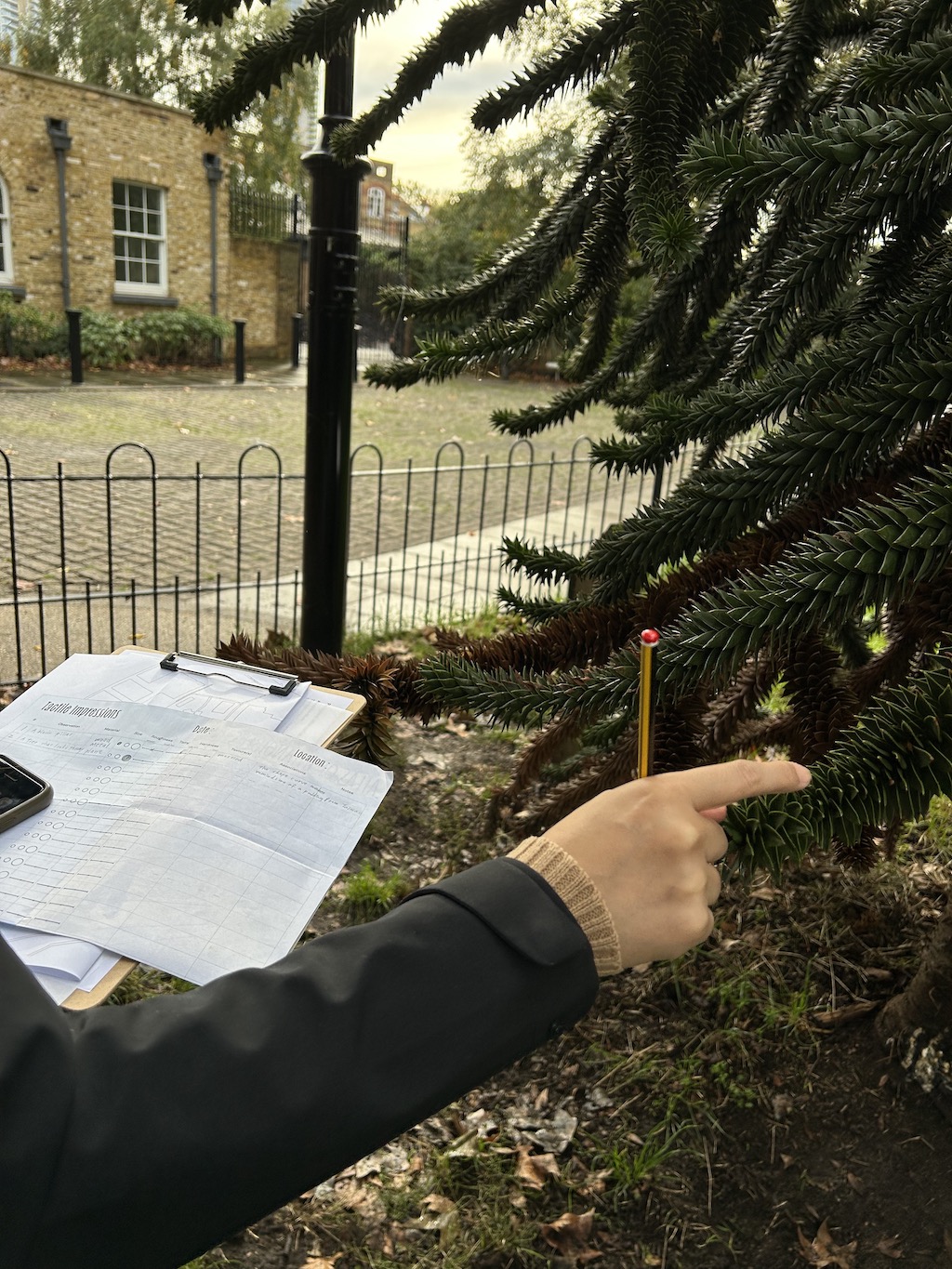
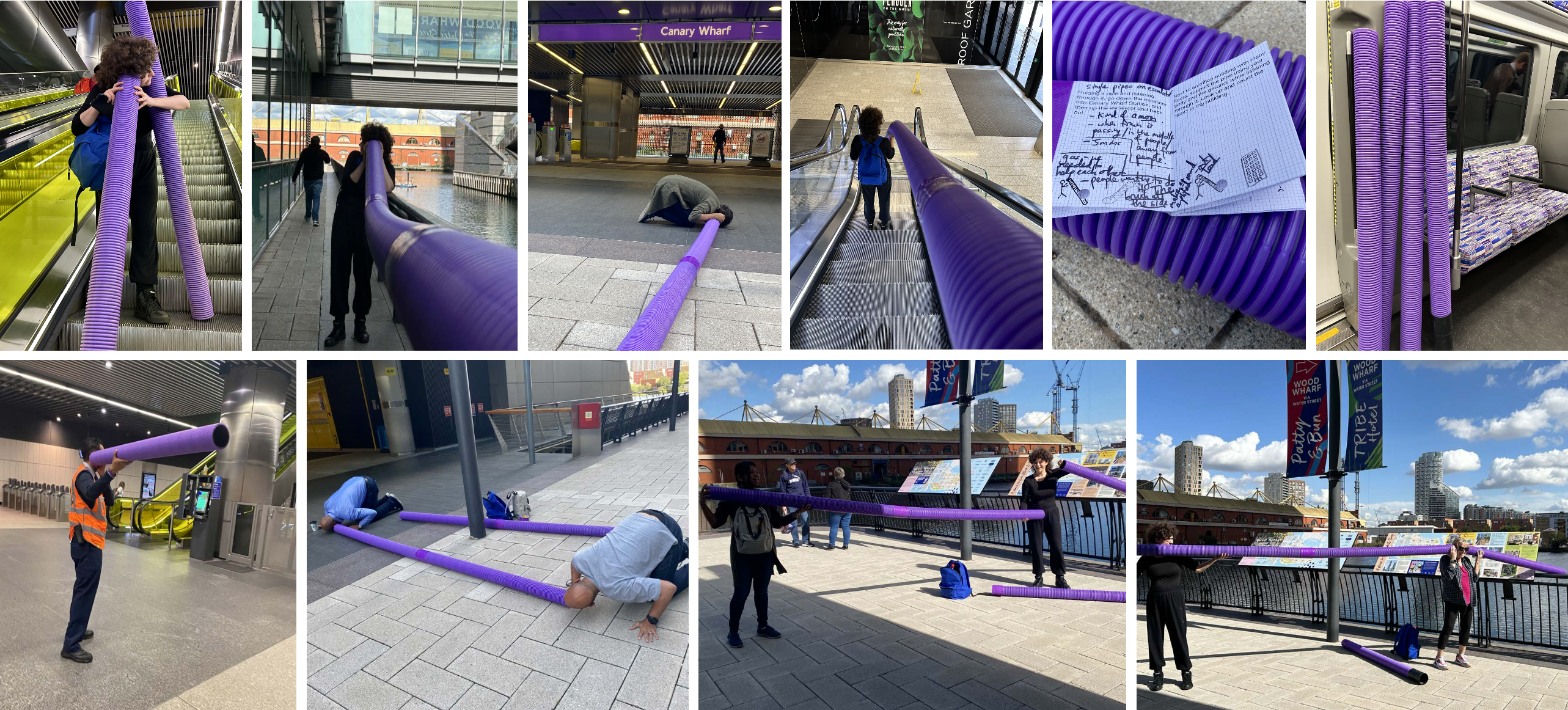
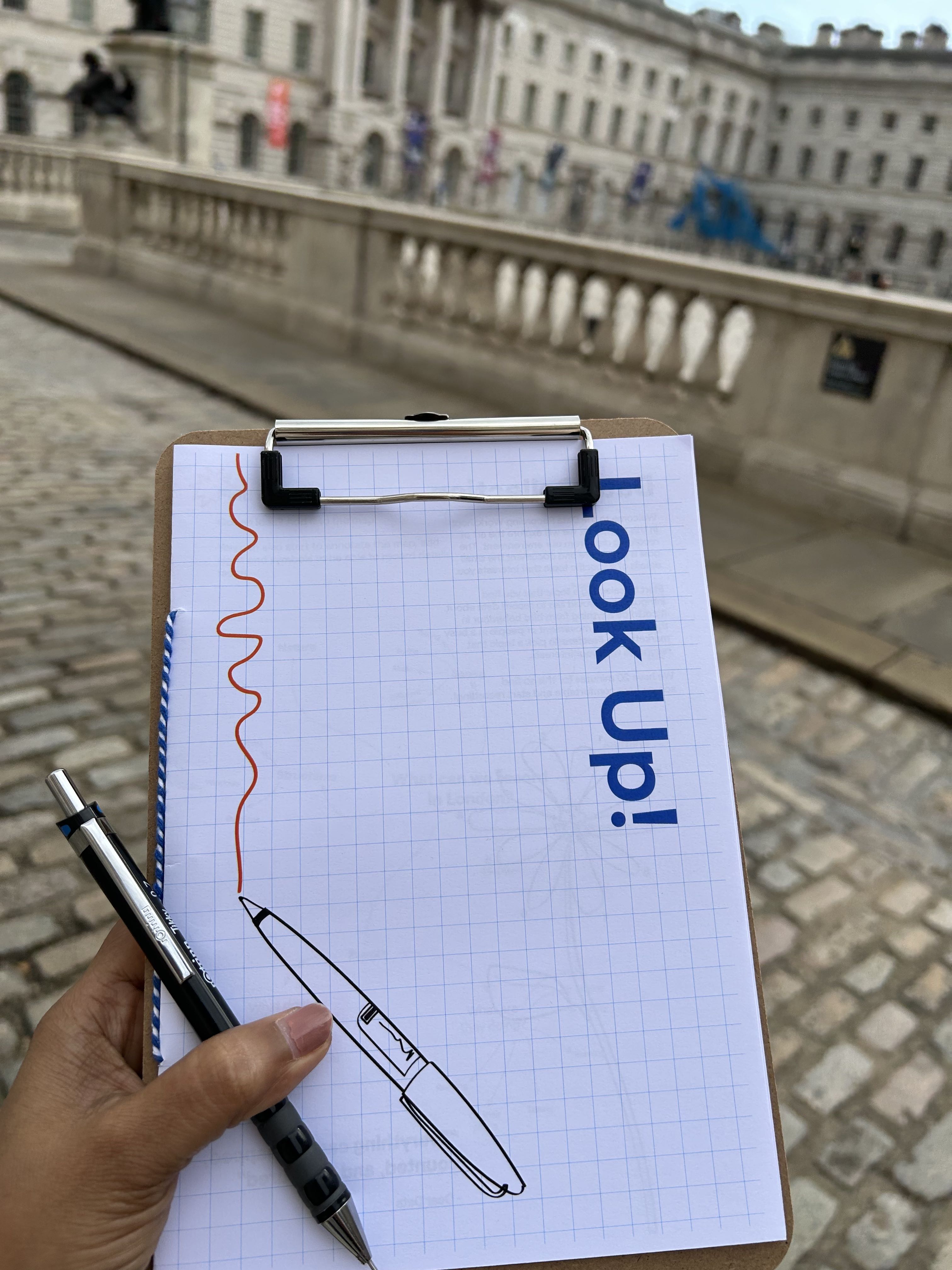
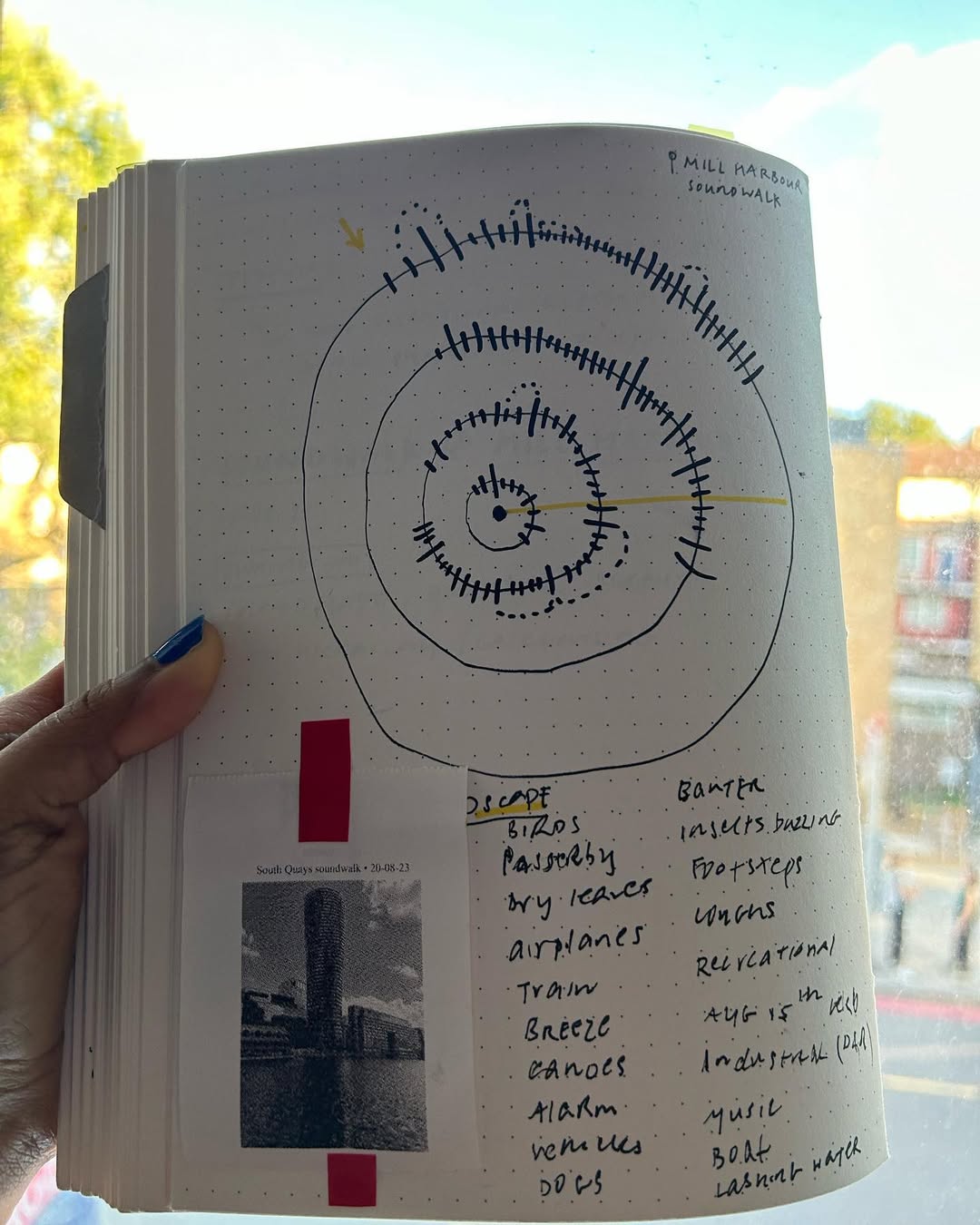
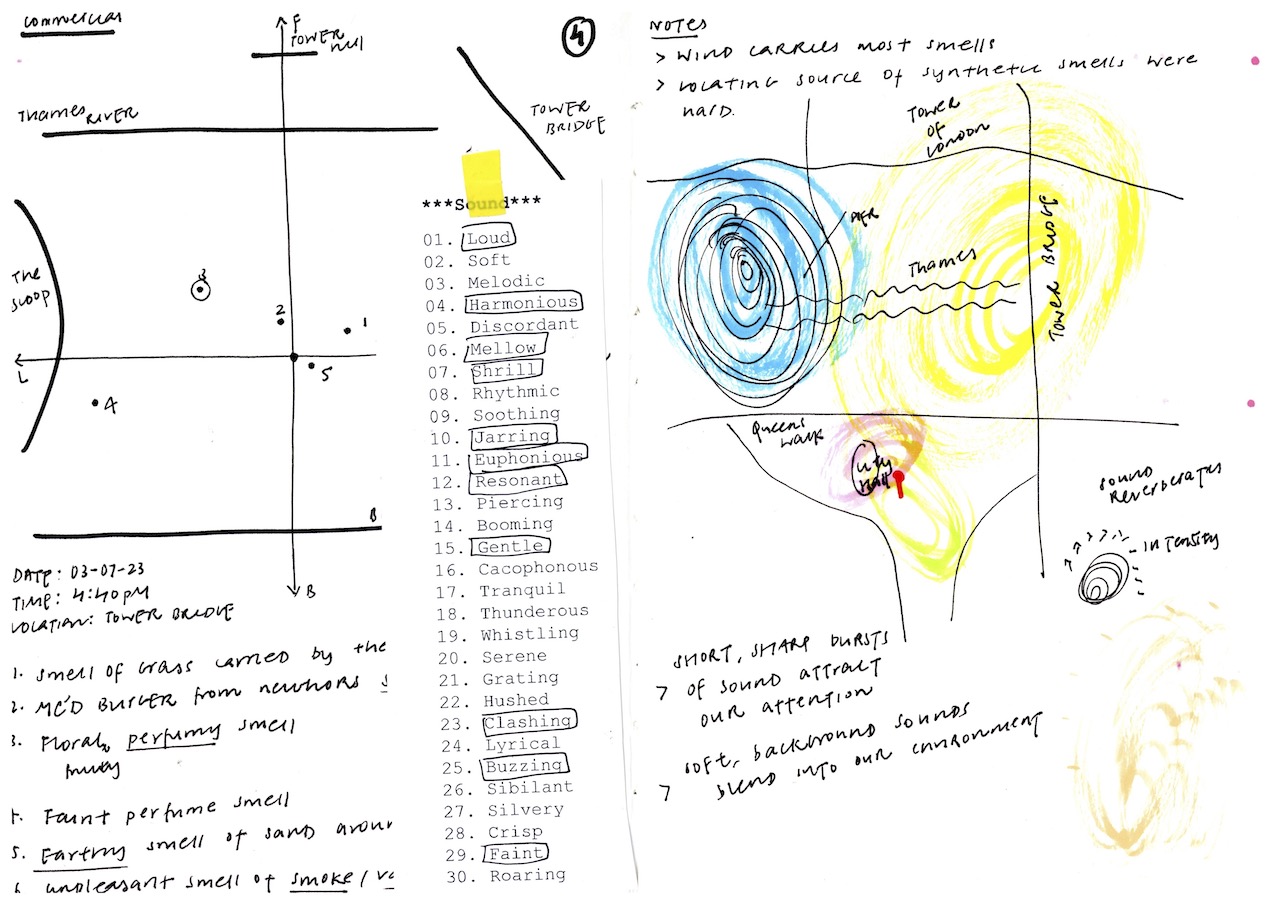
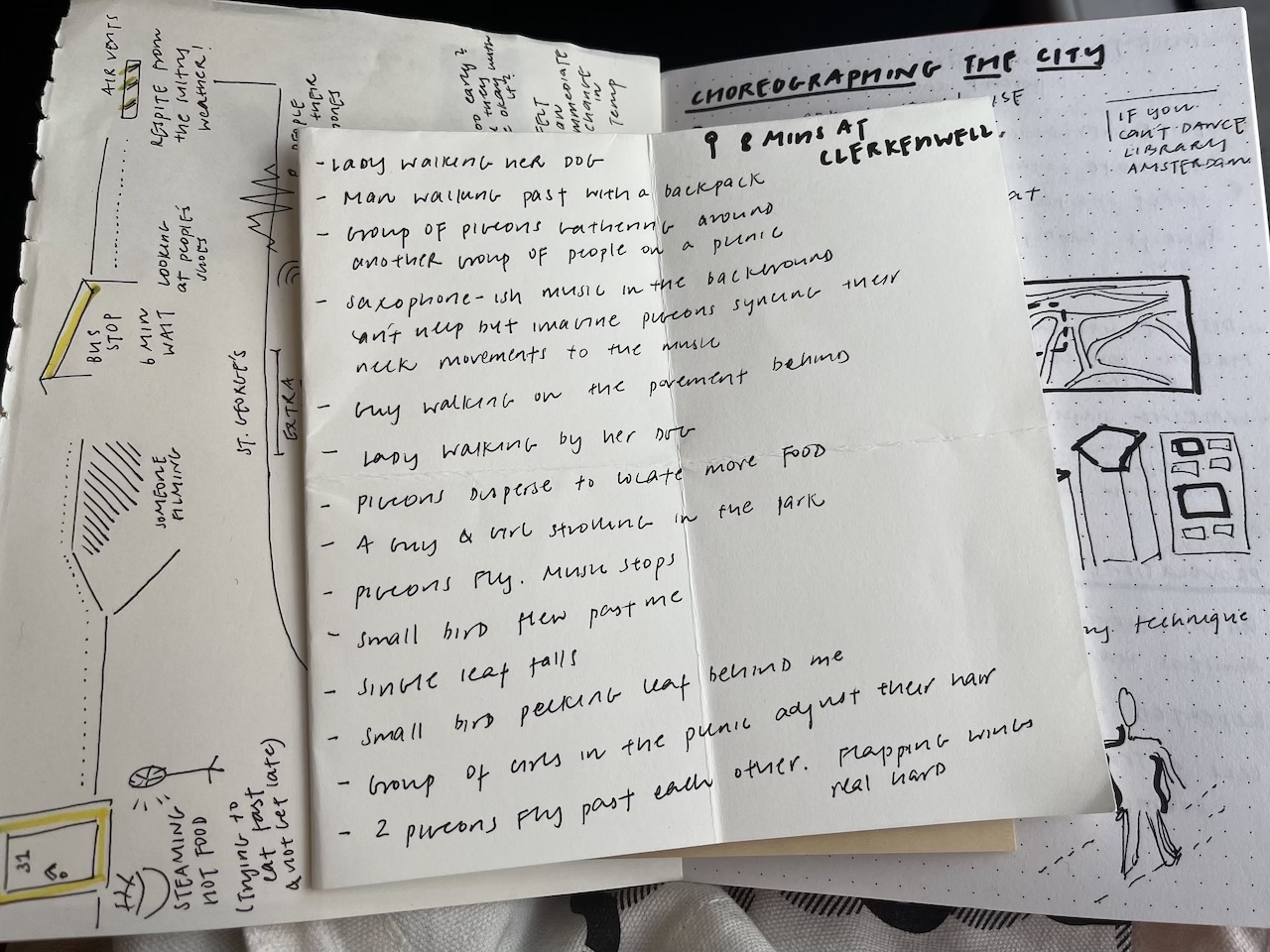
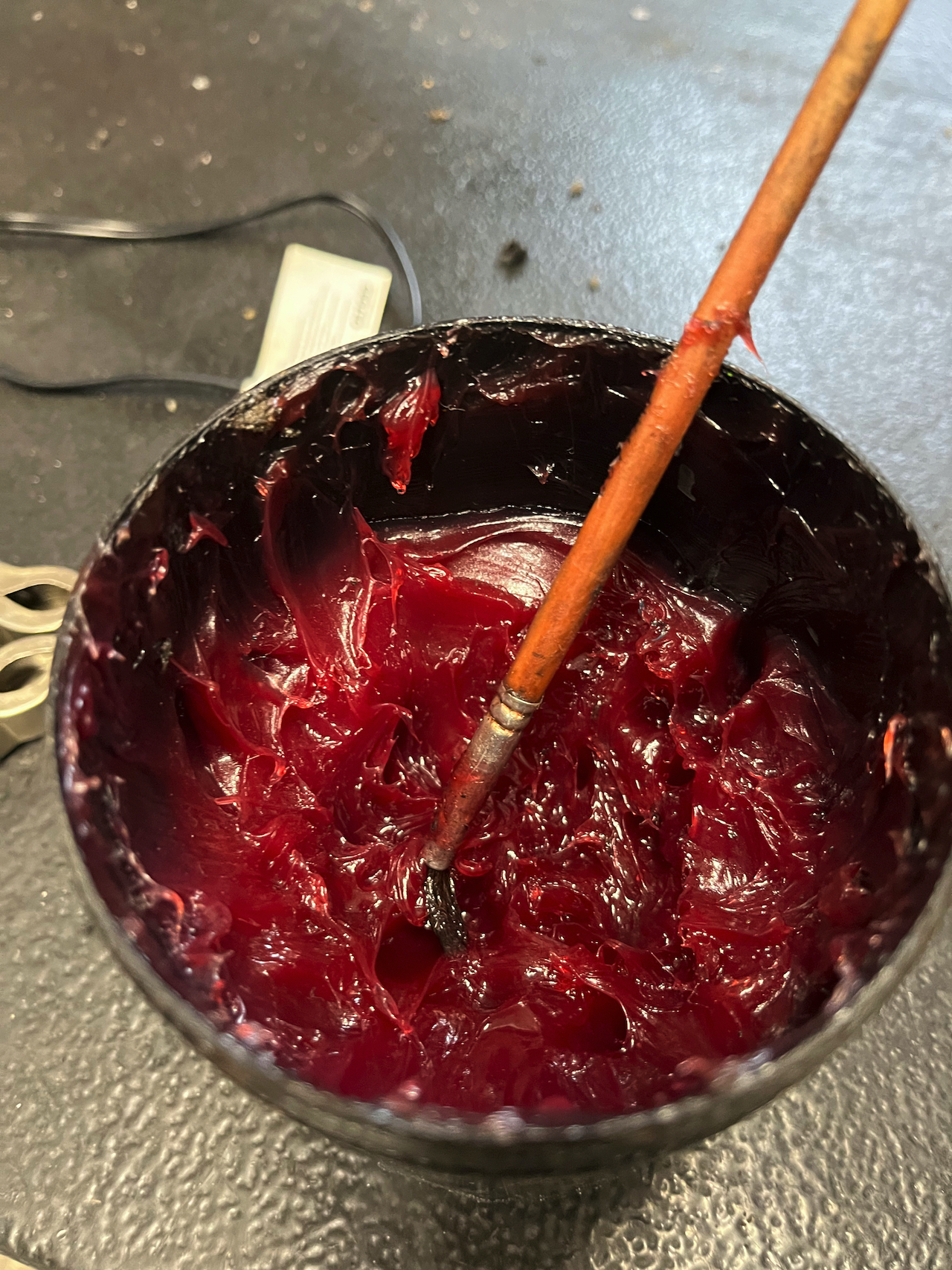
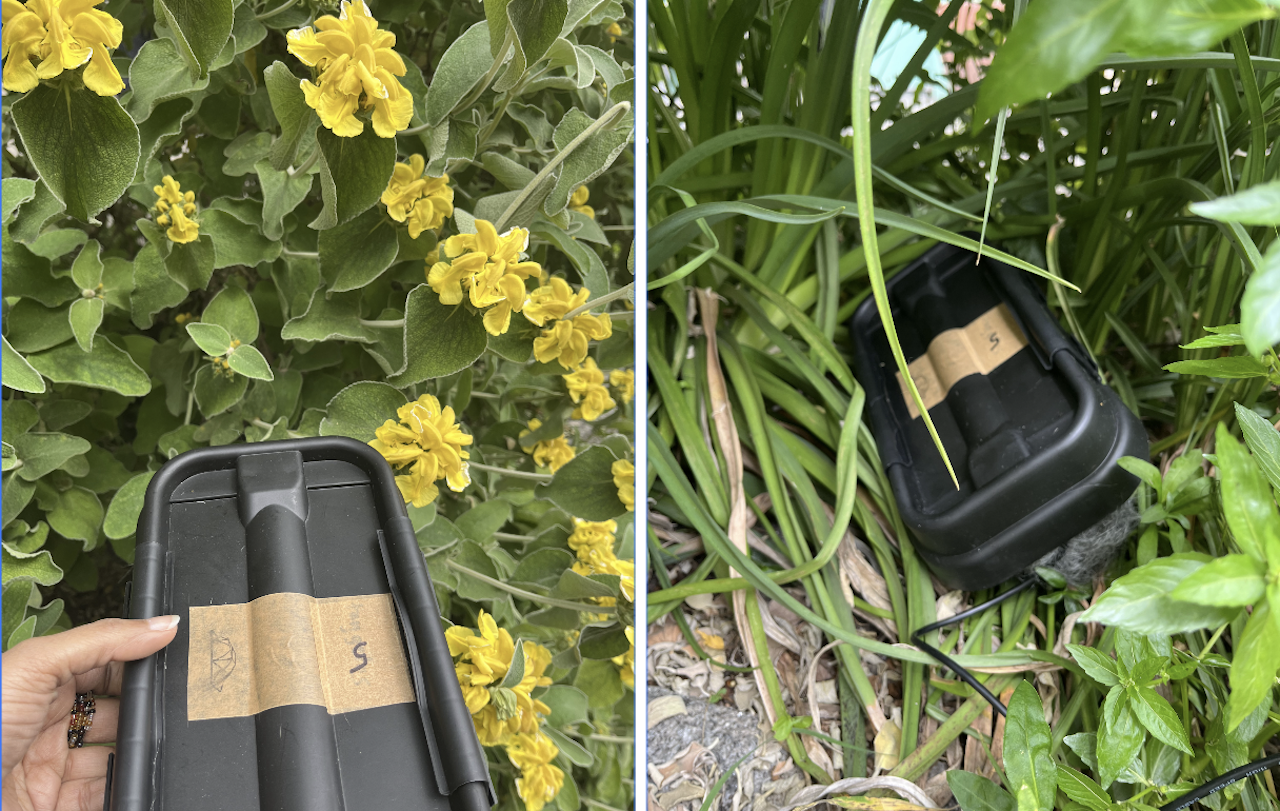
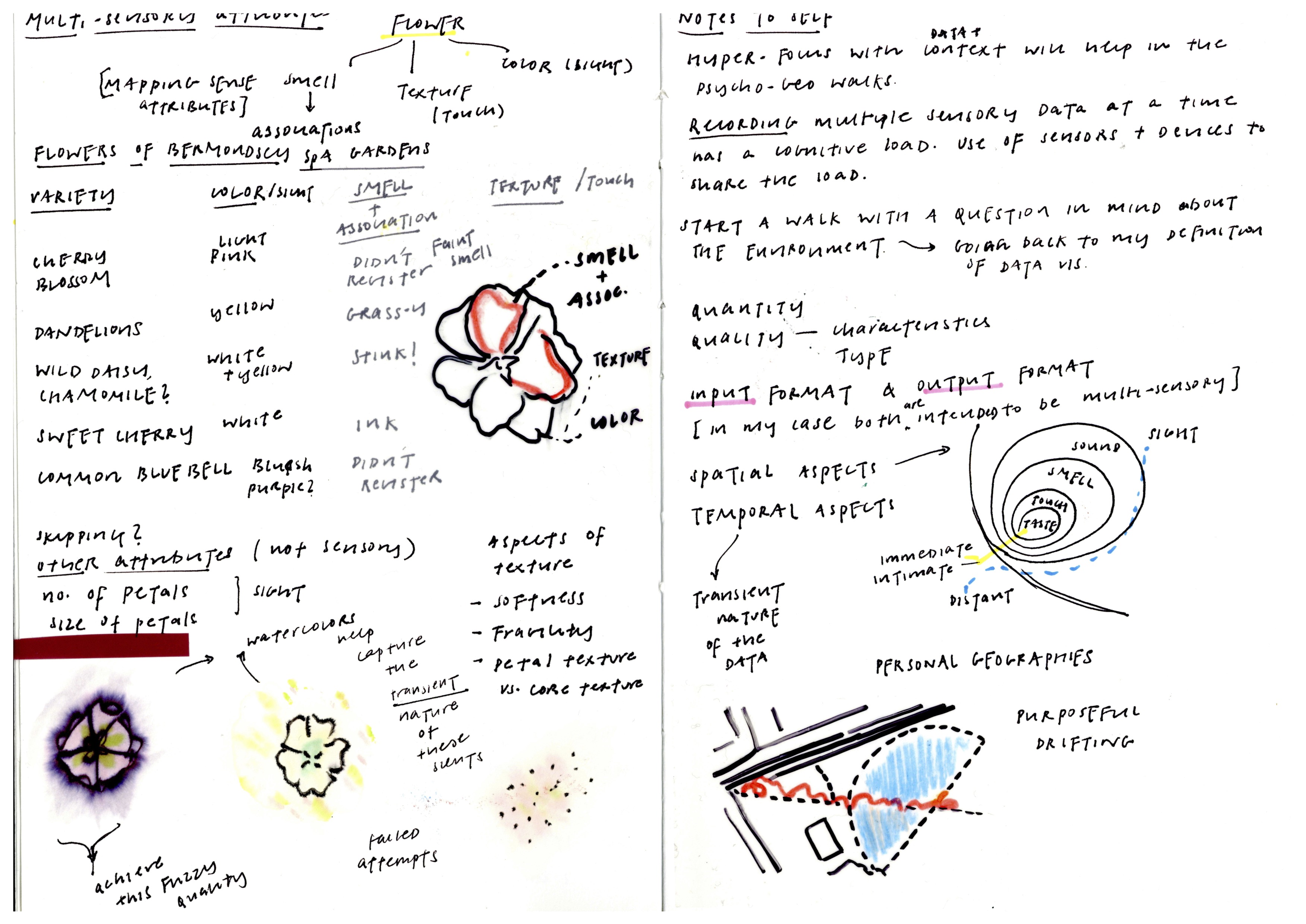
Through this inquiry, I investigate and develop experimental mapping strategies for recording and representing the intangible experiences of a place. I examine alternate forms of data collection, such as visual ethnography, score-based data walks, collective mapping, and the subsequent design of data experiences that encourage a deeper connection with the places we inhabit.



October 2023
July 2023
July 2023
June 2023
May 2023