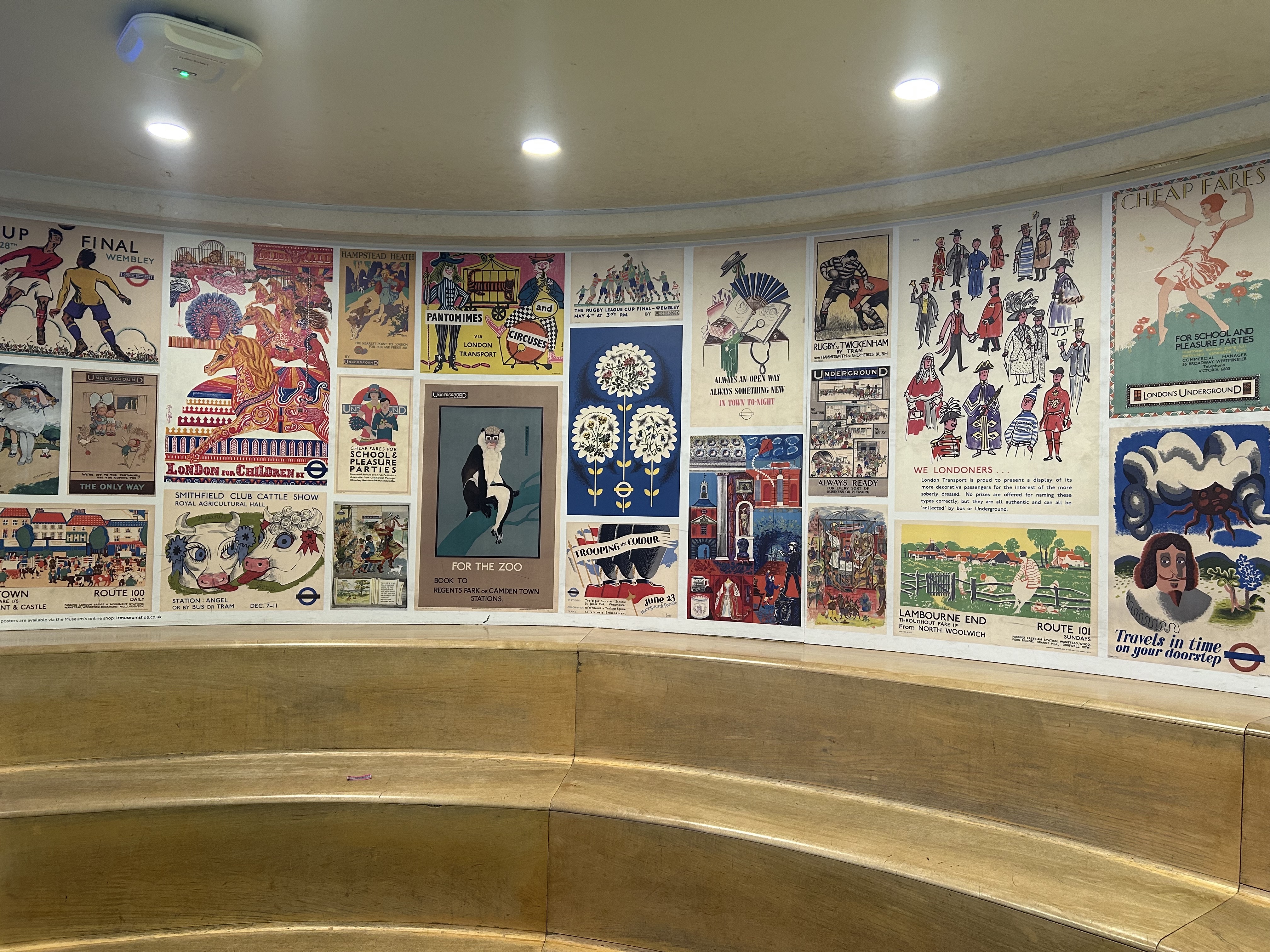
Art Deco: The Golden Age of Poster Design
- Design Heritage
I visited the Art Deco poster exhibition at the London Transport Museum and came away thinking about how well the style has worked its way into London’s transport network.

Art Deco emerged as a movement hundred years ago and rose to prominence between 1919 and 1939 throughout Europe. It had a pretty far-reaching influence across arts and culture.
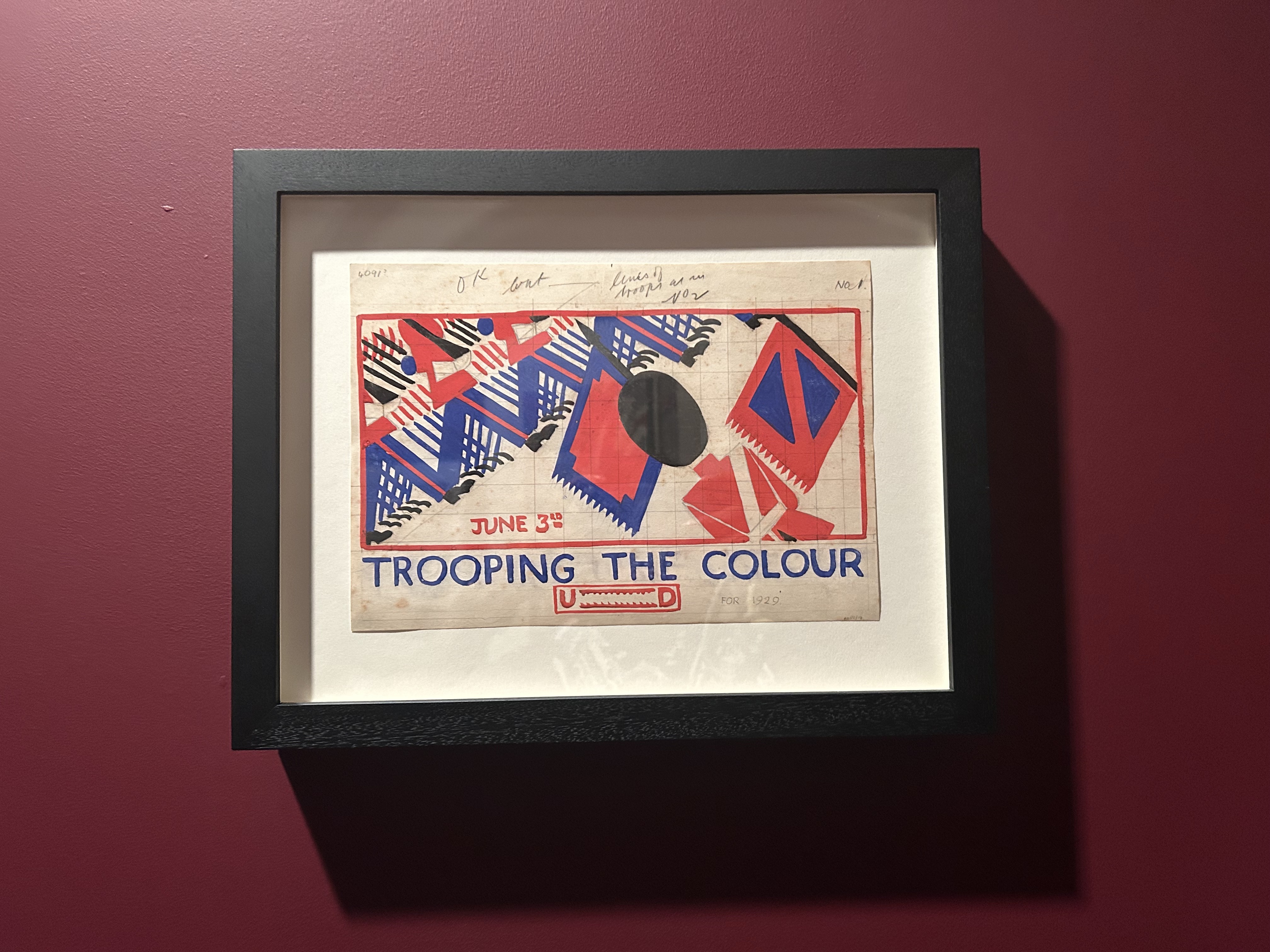
Clean lines, geometric forms and bold colours are at the heart of the style and this lent itself especially well to graphic art at a time when pictorial posters were one of the main forms of mass communication. Angular images and vivid colours were chosen for maximum visual impact.
During this period, London Underground — and later London Transport — commissioned a large variety of posters to promote its network. Many of these embraced, or were clearly shaped by the Art Deco style. The poster designs celebrated the glamour of modern life made accessible by public transport in the 1920s and 1930s.

By that time, what we now call Art Deco had worked its way into almost every corner of modern life. It showed up in graphic design, cars, fashion, sculpture, interiors to architecture, very little it left untouched.
The end of First World War brought huge social, political, and economic shifts across Europe. New materials, new technologies, and rapid industrialisation all fed into the art of the time, and Art Deco emerged as a response to these changes.

A pivotal moment in the movement was the Exposition Internationale des Arts Décoratifs et Industriels Modernes in Paris, which helped define and mark the debut of what became known as the Art Deco style.

Illustrated posters were first used to advertise London’s bus, tram and Underground services in the early 1900s. Through Underground posters, styles such as Art Deco, Cubism, Futurism and Vorticism reached a wide public in Britain.

Art Deco celebrated the machine age and the luxurious aesthetic of the time. It was a departure from the handcrafted focus of movements that preceded it. It appreciated streamlined forms and geometric patterns that were made possible by industrial production.

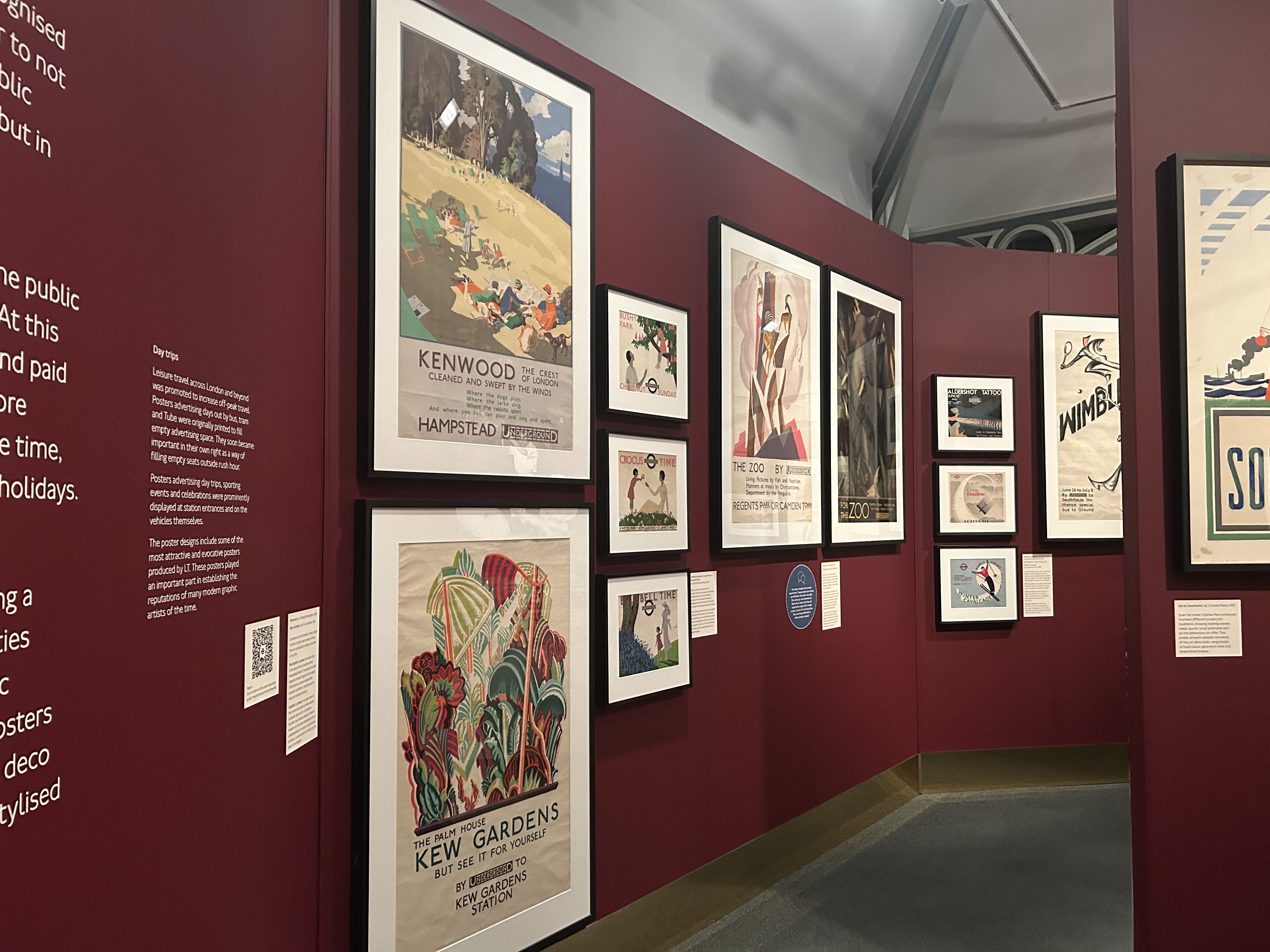
London Transport promoted public travel beyond commuting, to spare time as well. Leisure activities were becoming increasingly popular at the time. Paid and public holidays meant that more people were heading off on outings and holidays. These posters encouraged people to explore the city and countryside using public transport. They positioned the Underground as an essential part of contemporary London life.
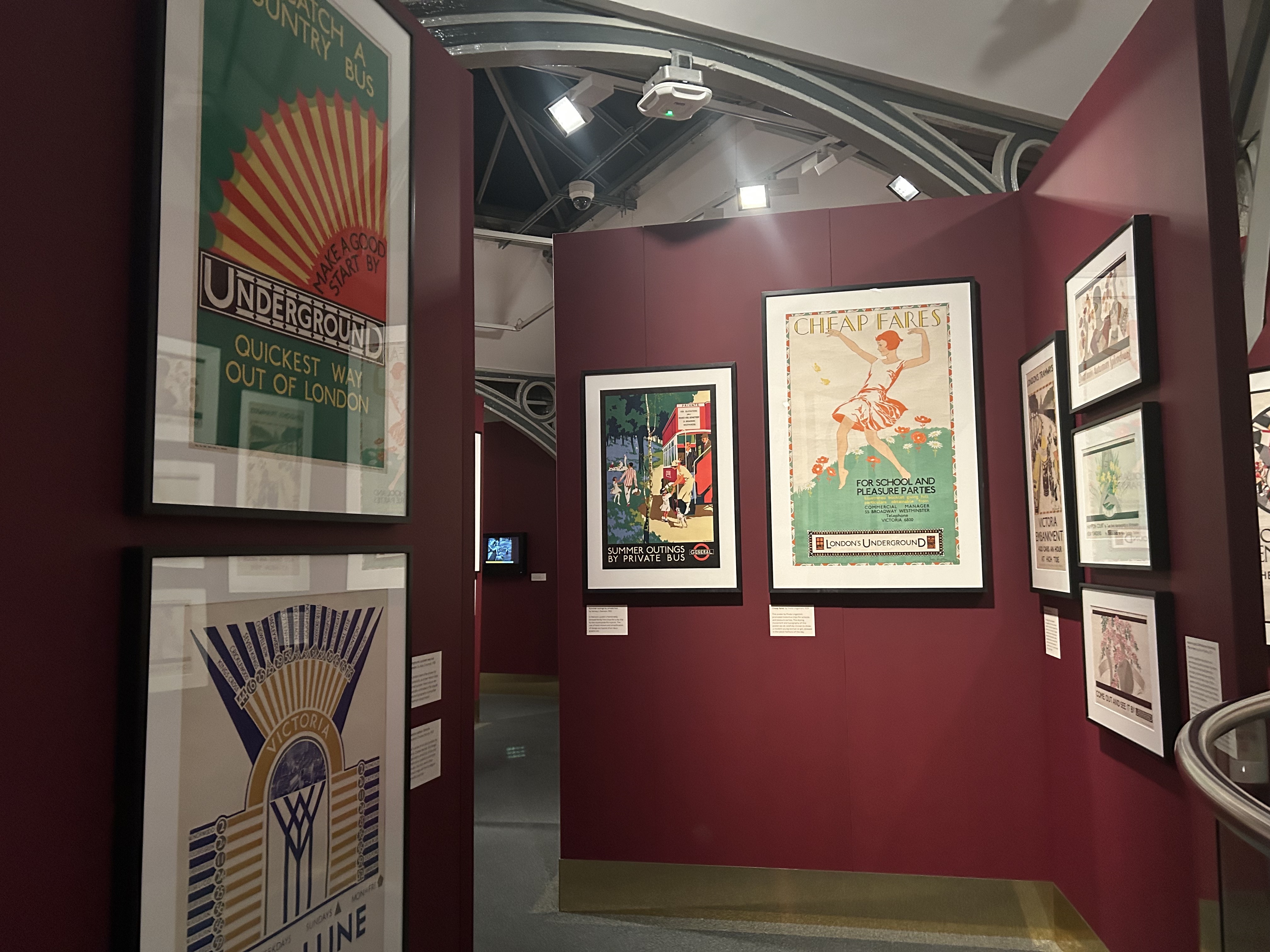
These promotions were also meant to increase off-peak travel. Posters were originally printed to fill empty advertising space and eventually became key in their own right as a way of filling empty seats outside of rush hour.
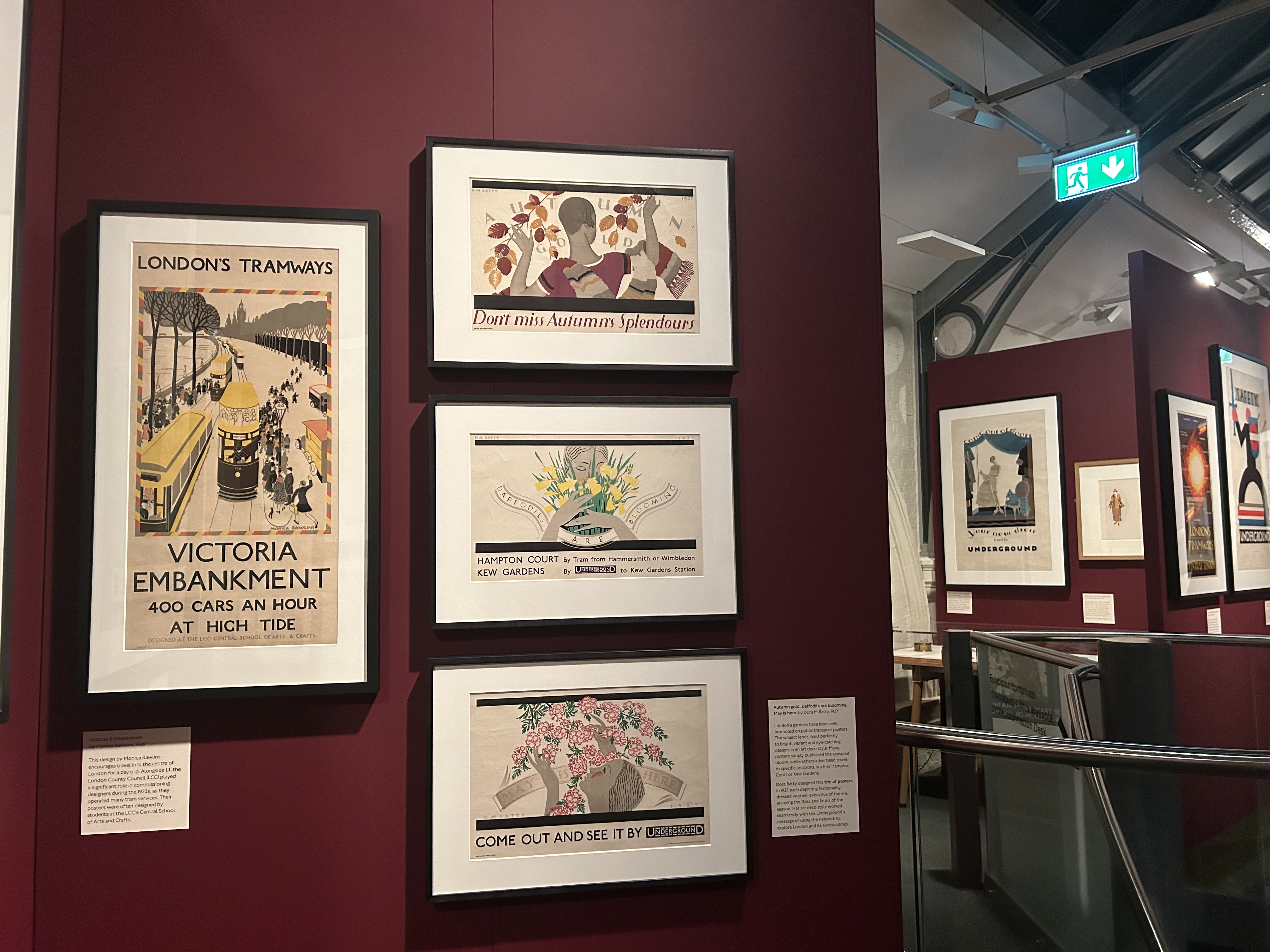
With a focus on modernity and freedom, Art Deco contributed to the glamour of that era and rise in consumer culture. A couple of fashion inspired posters also reflected the growing importance of women as a consumer audience in the 1920s and 30s.

For London Transport, the influence of Art Deco also went into the architectural design of the Underground stations, bus shelters and even light fixtures.

Across various posters, you can see several influences sitting side by side, with different artists blending aesthetics of modern European styles in their own distinct ways.

Art Deco’s decline came with the Great Depression and the Second World War, when its association with glamour and luxury did not sit well with realities of the time. Even so, the style never really went away and continues to remain a touchstone.. It left a lasting mark on design culture and saw a revival in the 1960s. London Transport artists continued to draw on Art Deco posters and these influences still appear across posters produced by Transport for London (TfL) today.