A Day at Srishti
Moments /
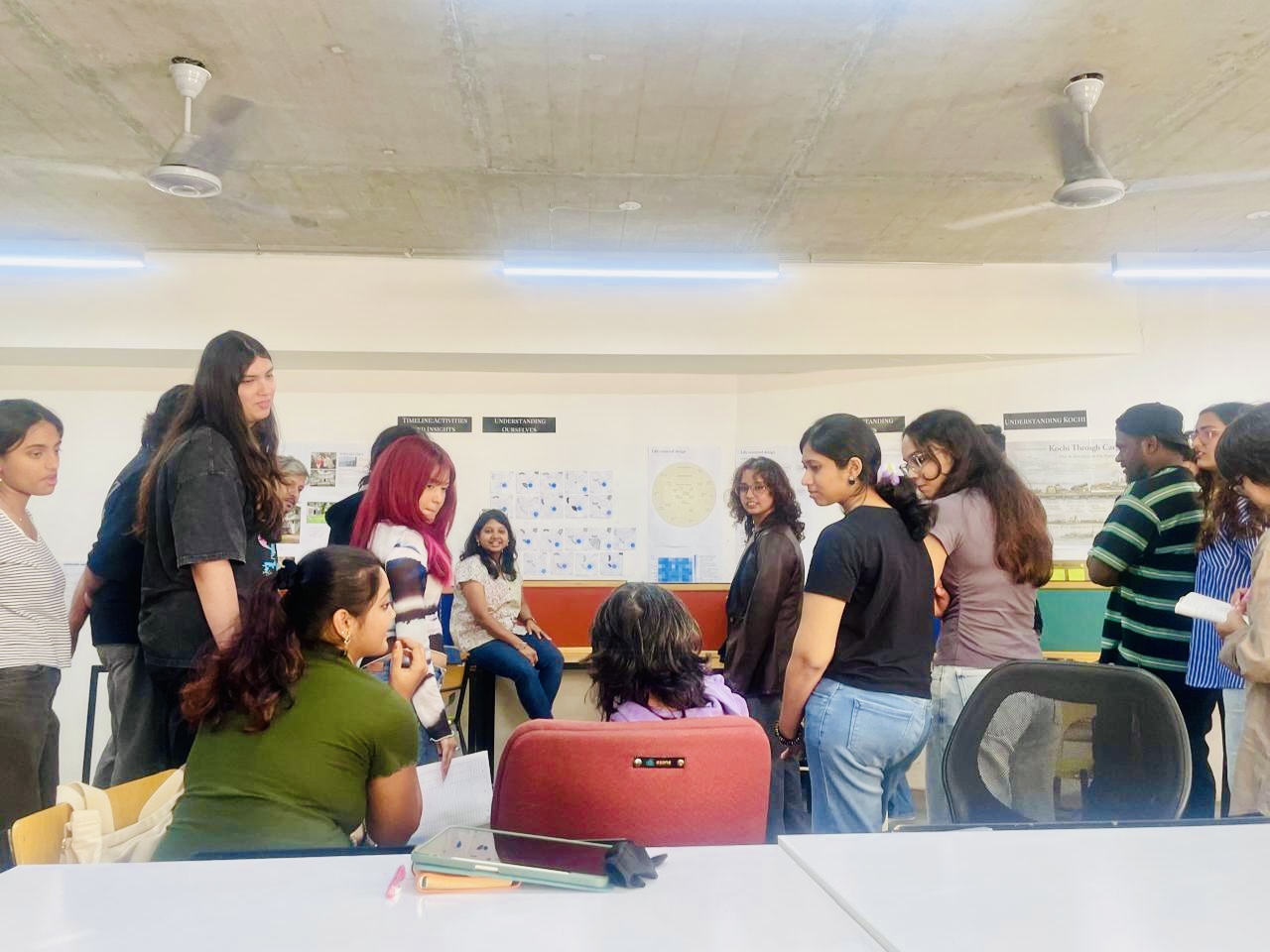
Now that I am back home, I spent a day Srishti and spoke about my Data Visualisation practice with the incoming cohort.
A space for holding early ideas, thoughts and impressions
Now that I am back home, I spent a day Srishti and spoke about my Data Visualisation practice with the incoming cohort.
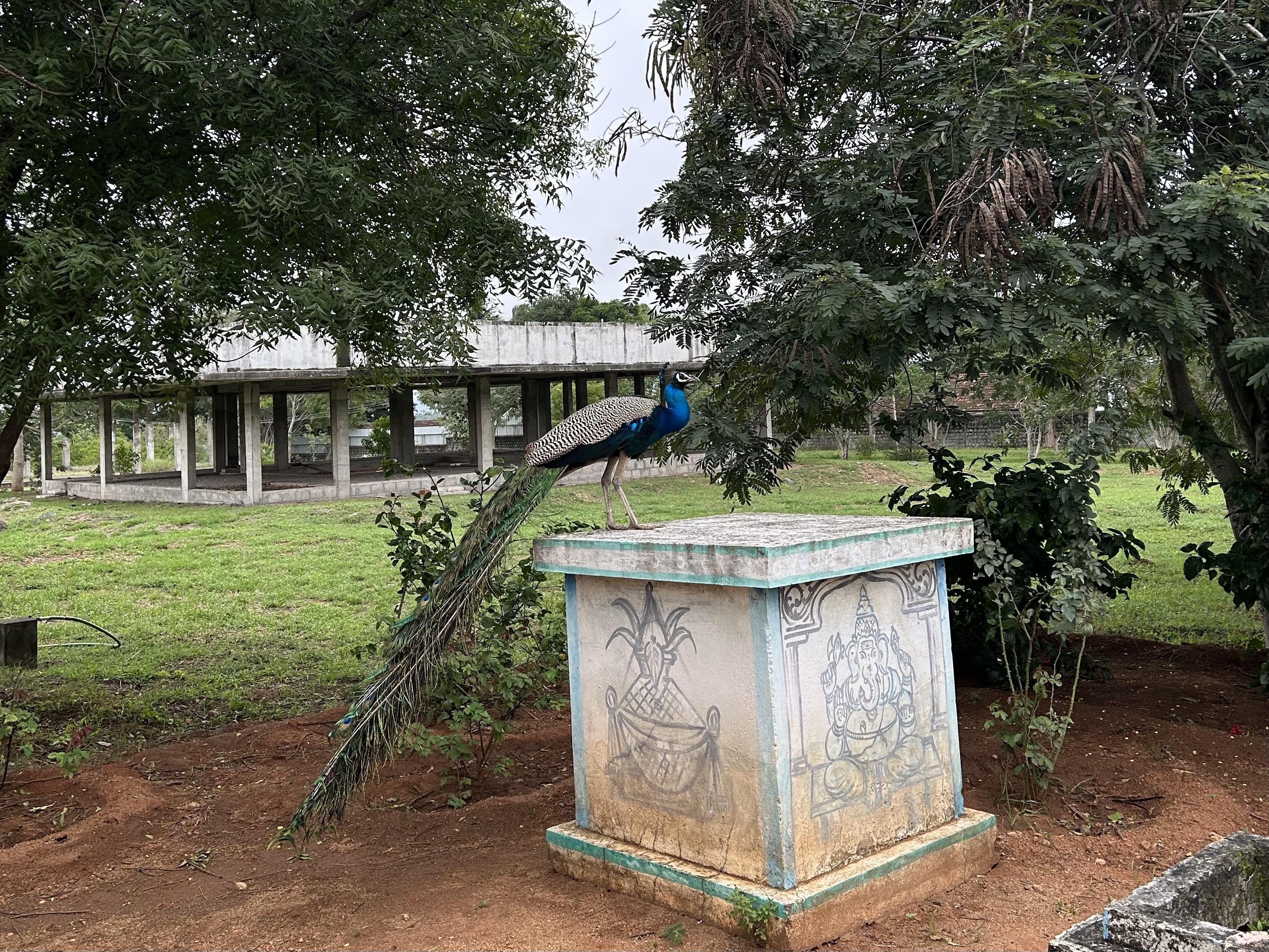
I taught a module on Computational Design Practices at DJAD, and really enjoyed being there. The campus is beautiful, tucked away in the hills outside Coimbatore.
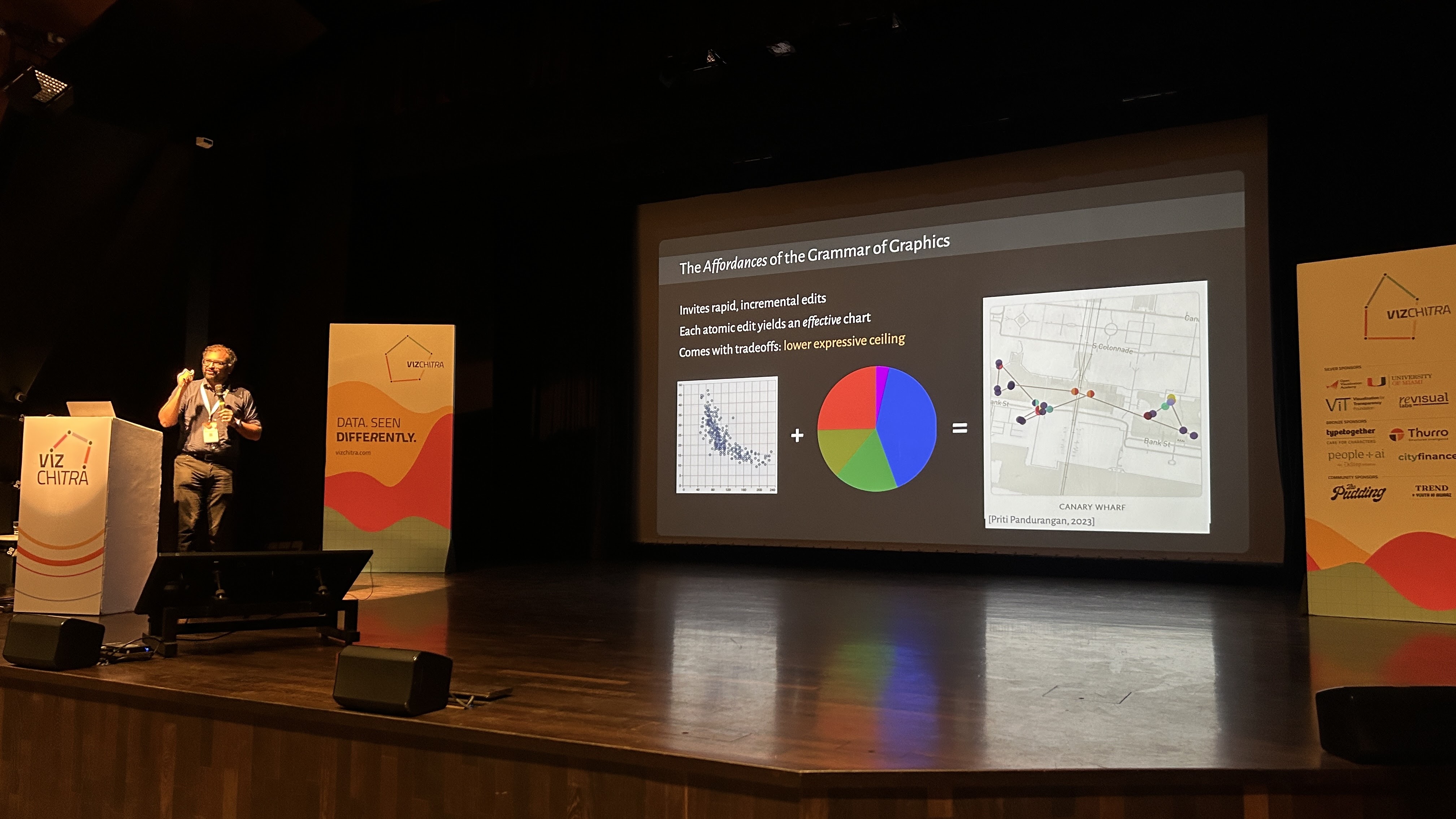
I hereby declare myself the accidental inventor of the connected scatter-pie 🥳
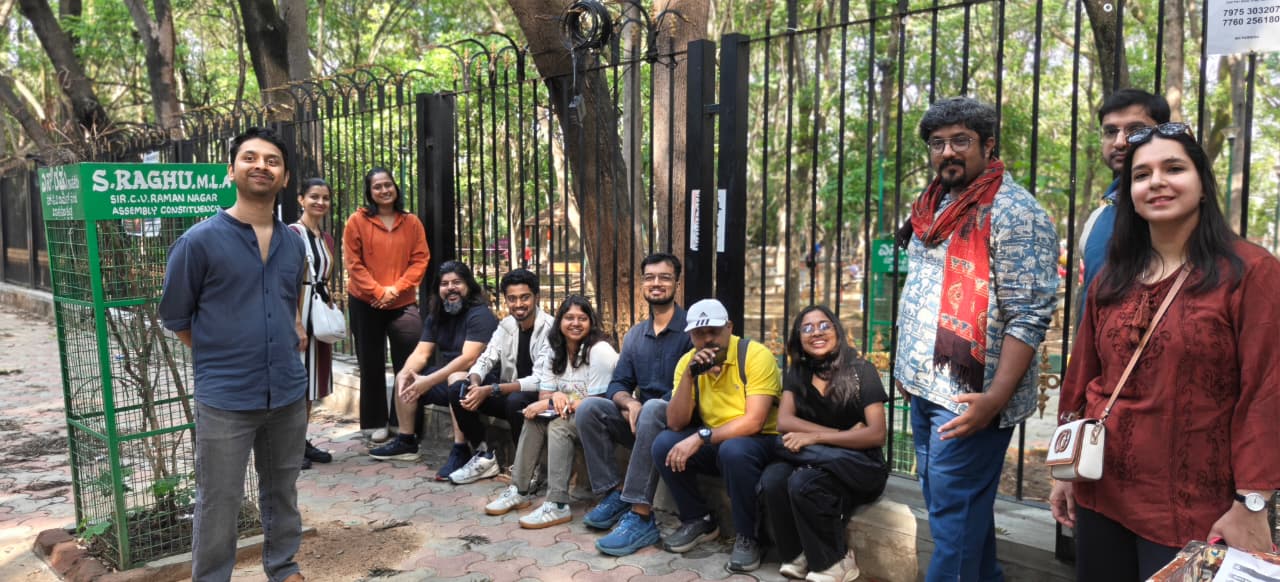
I went on a story walk through organised by Atta Galatta and facilitated by Vikram Sridhar. He stitched together folklore, heritage, ecology and personal memories as we moved through the lanes of Indranagar.
I was invited to speak at the workshop series hosted by the Indian Consortium for Interactive Digital Narratives. This is India’s first-of-its-kind platform dedicated to fostering research and scholarship in the field of Interactive Digital Narratives.

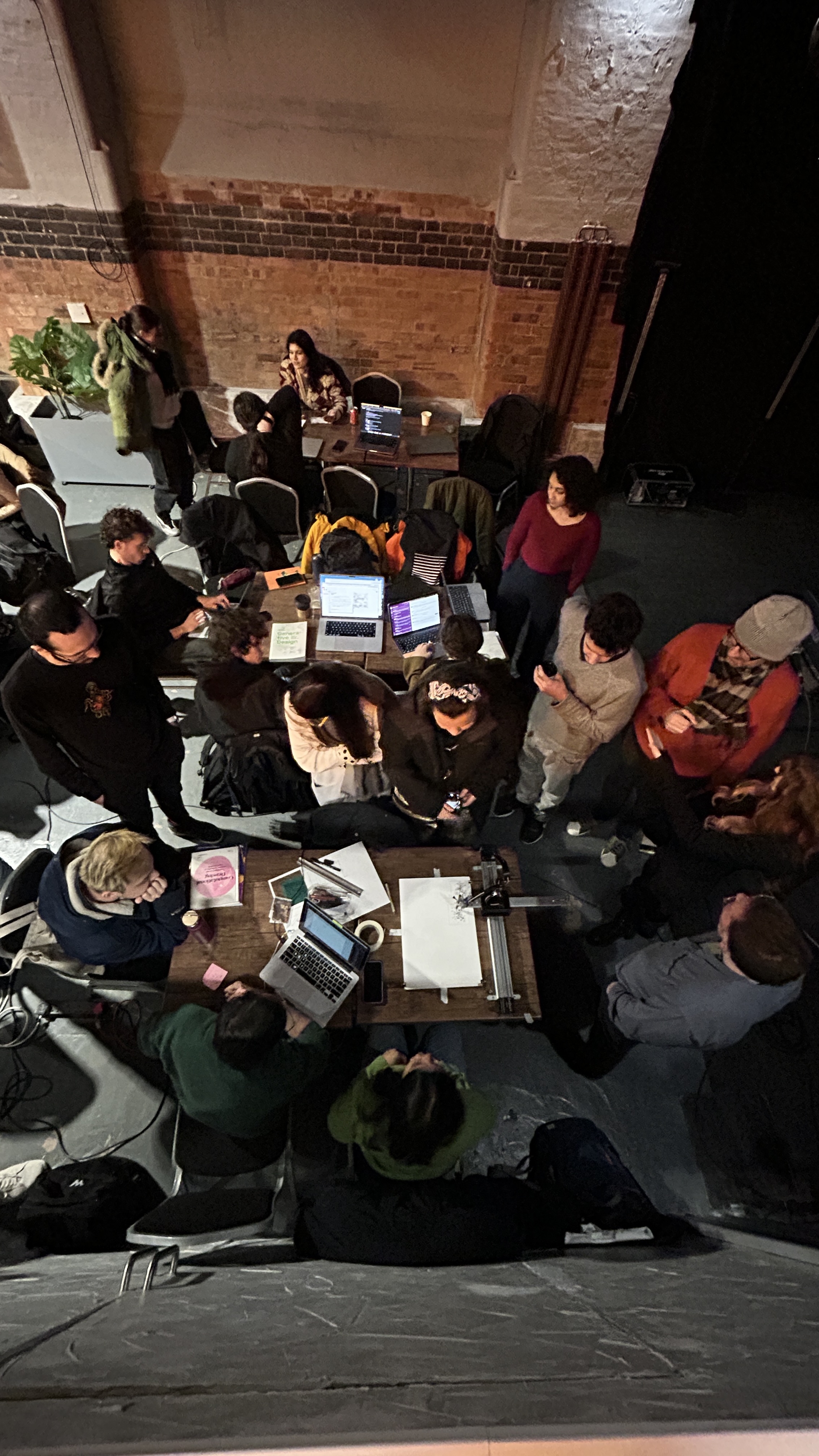
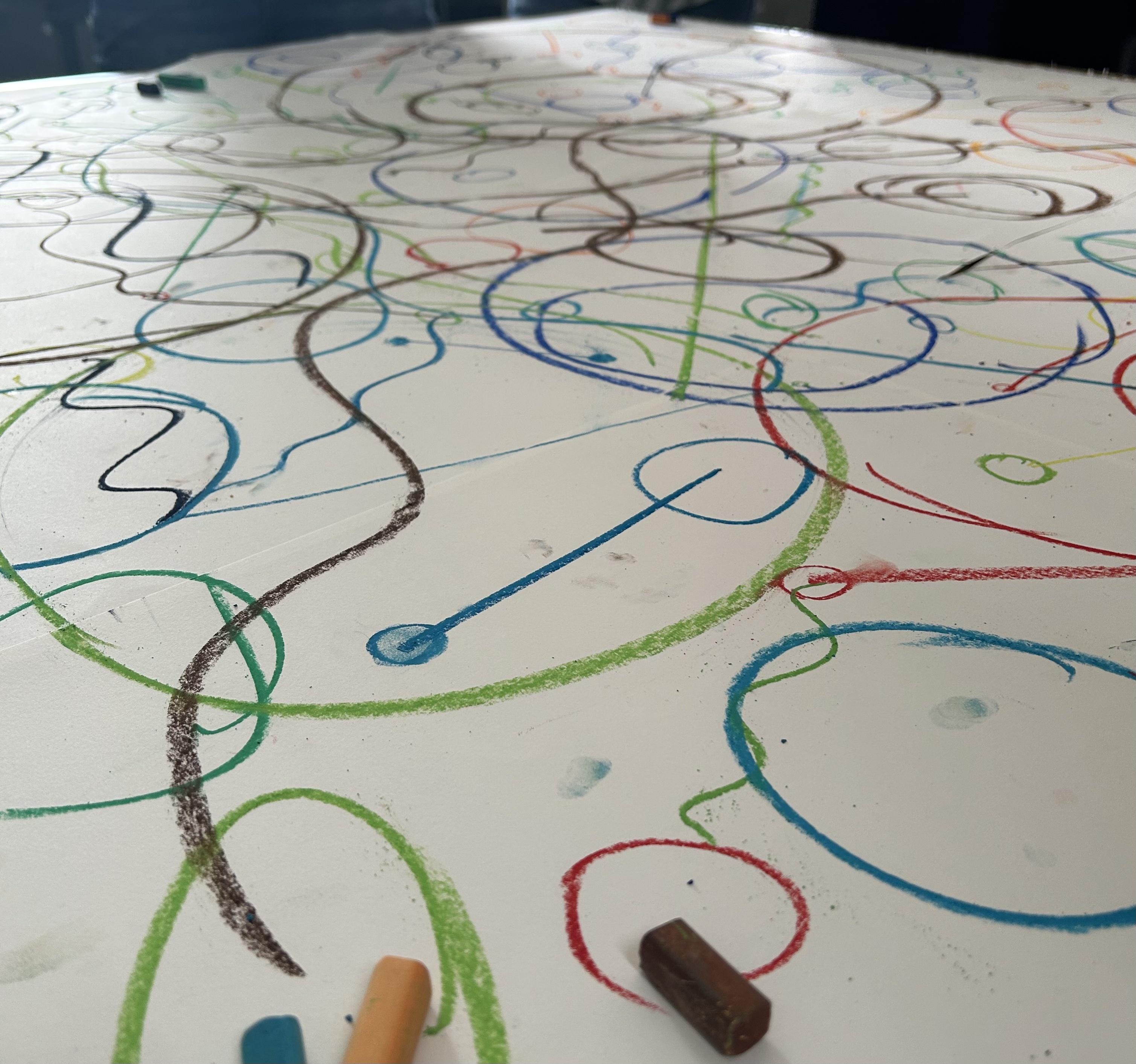
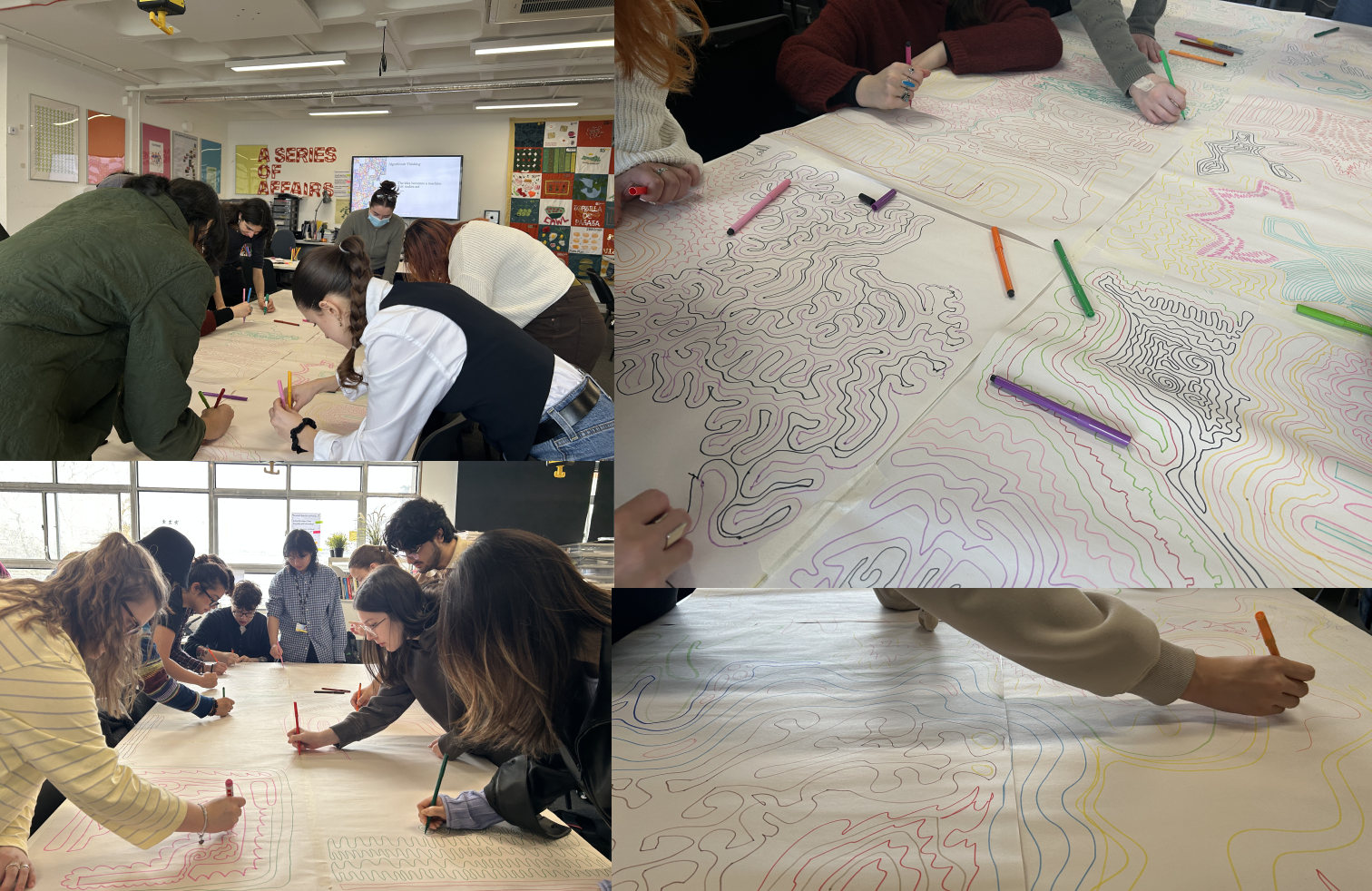
I ran my spring-term workshop at LCC introducing creative coding and computational thinking. I usually begin with a conditional drawing ritual to make computational thinking tangible. It is a practical entry point to thinking in rules, accepting constraints and noticing how small tweaks to the logic produce entirely different outcomes.
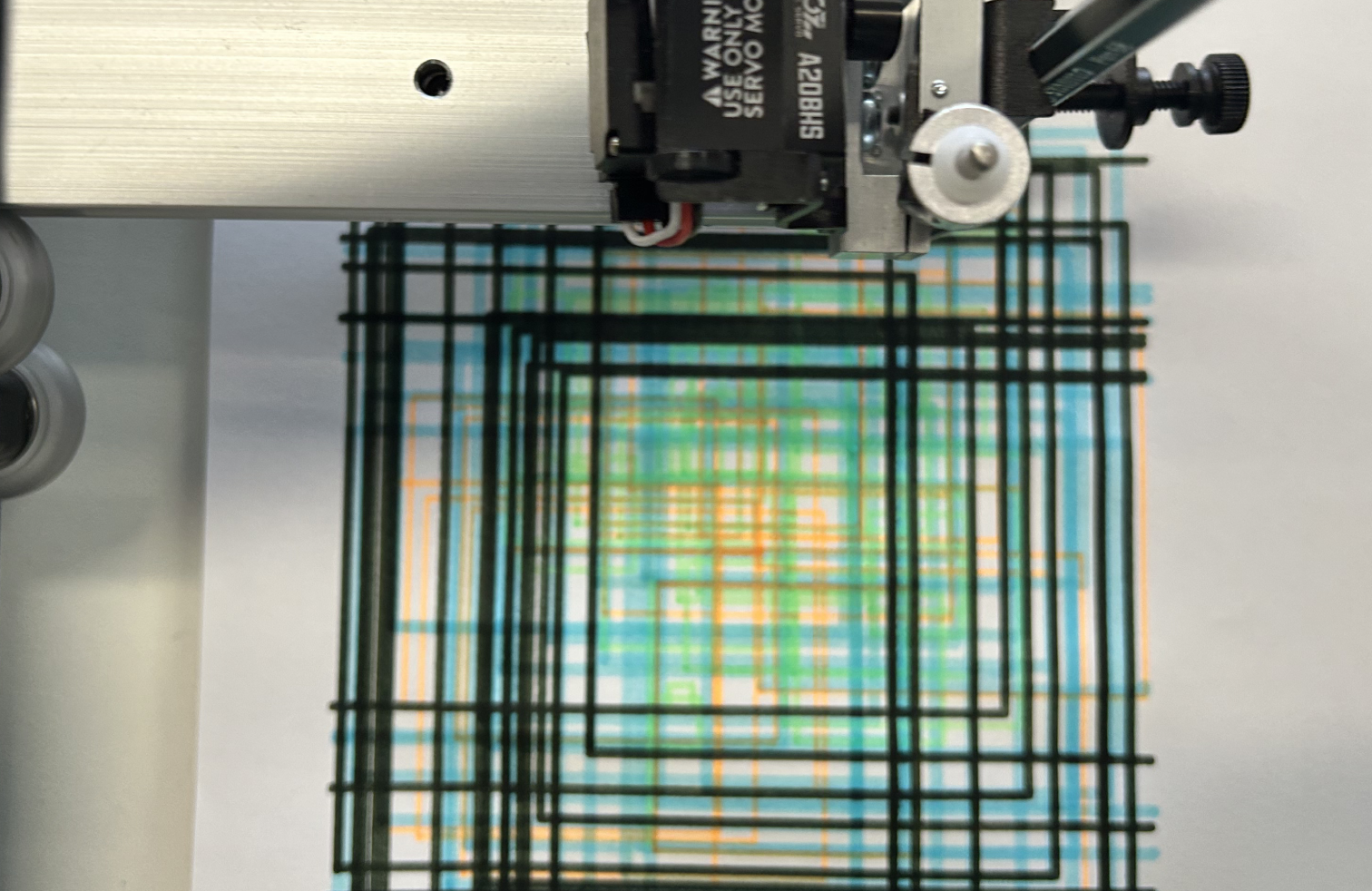
We then translated those ideas into small programs and prepped them as outputs for a pen plotter. We tested different pens, papers and substrates, experimenting with rules to create a variety of drawings. I have found this to be a good way to understand materiality and the physicality of computation. Students quickly see that physical output can always deviate from digital intention, and working with a drawing machine means embracing these deviations rather than resisting them.
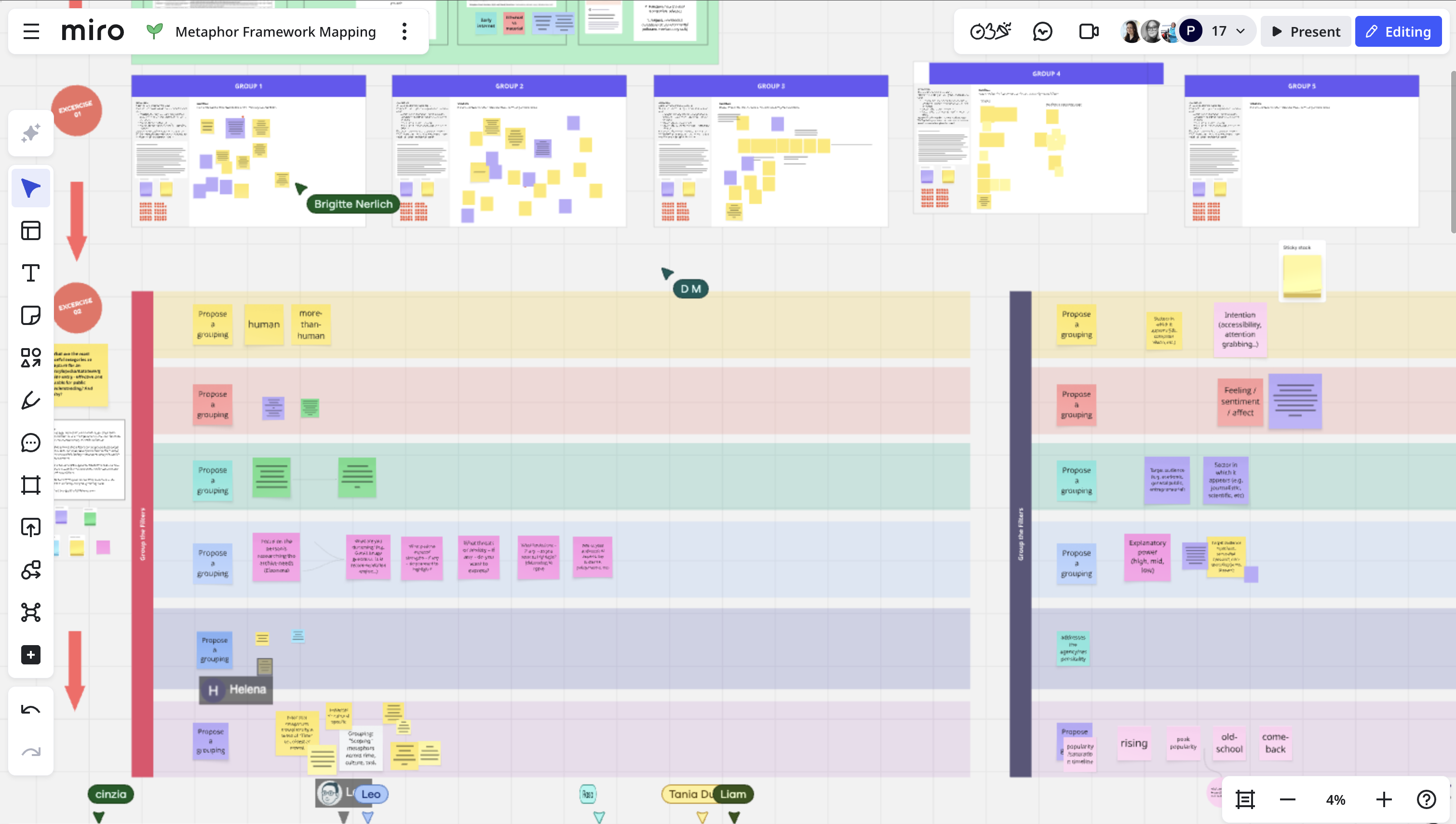
We and AI have been bringing together researchers, educators, linguists, and activists to build a metaphor encyclopedia / observatory, in response to the outsized influence of AI metaphors in public, media, policy, and academic discourse.
We hosted our first workshop for researchers and experts to test the different frameworks identified by the team and help us organise the information structure for our database.
The London Future (Feeling) of Code (Computing) is back. I presented my inquiry on data ethnographies, space + place and mapping, alongside a host of playful demos exploring HCI classics, malleable software and permacomputing. Lots of lively discussion all around!
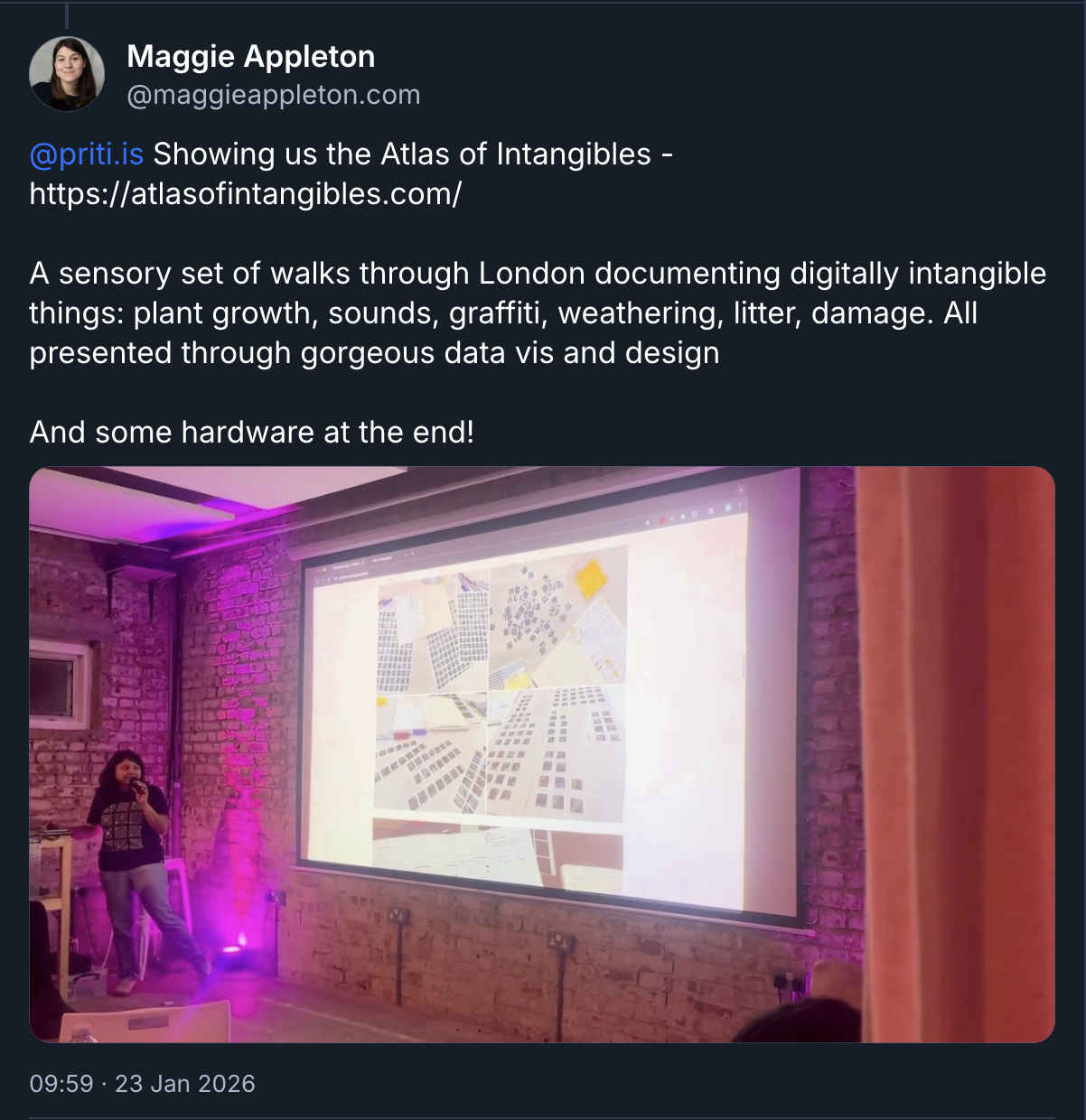
Spoke to the current cohort of the MA Design for Data Visualisation program at UAL about my practice.
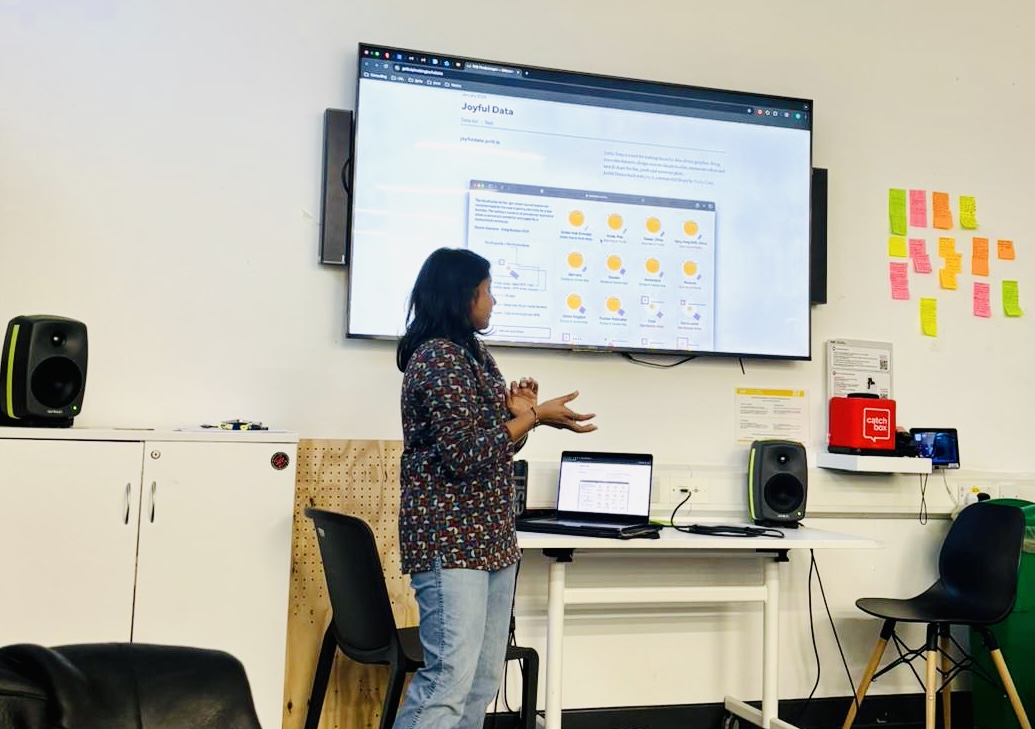
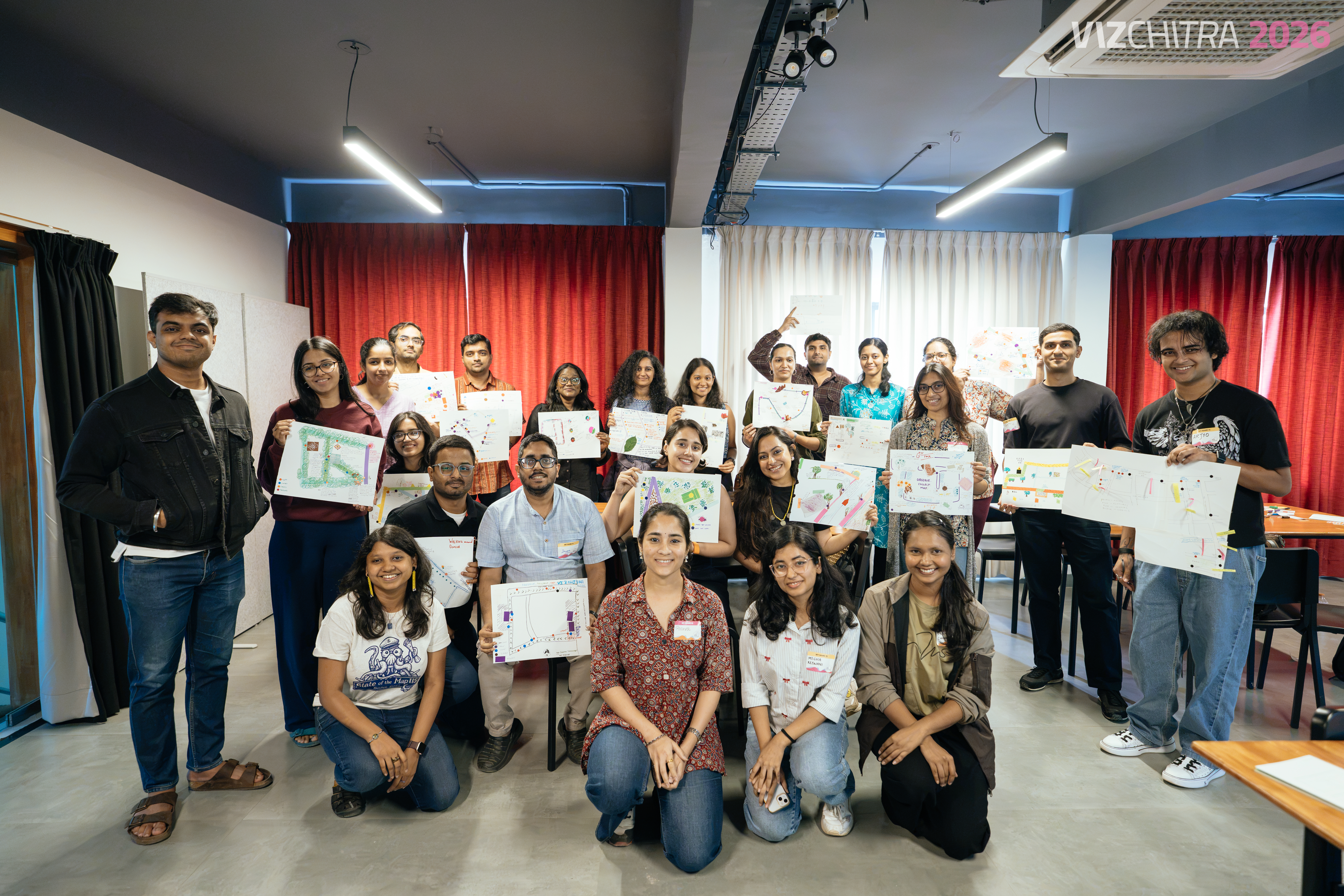
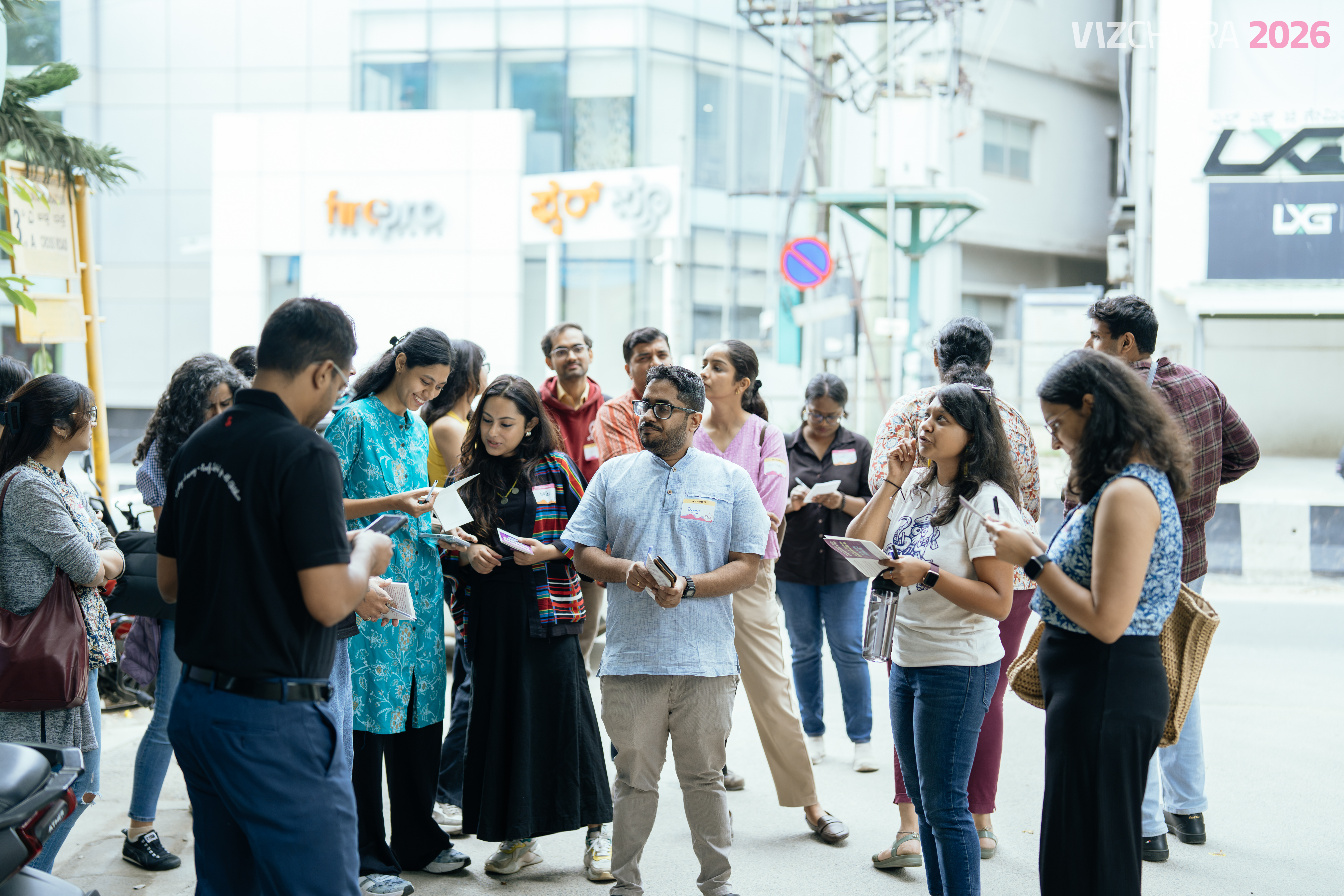
Ran my data walking and sensory mapping workshop once again this year in collaboration with London Data Week. Chose the Royal Docks as our venue. With a rich layered history, it lended itself naturally to place based exploration. It was a nice way to connect with all that history, while also noticing how it feels to move through that space now.
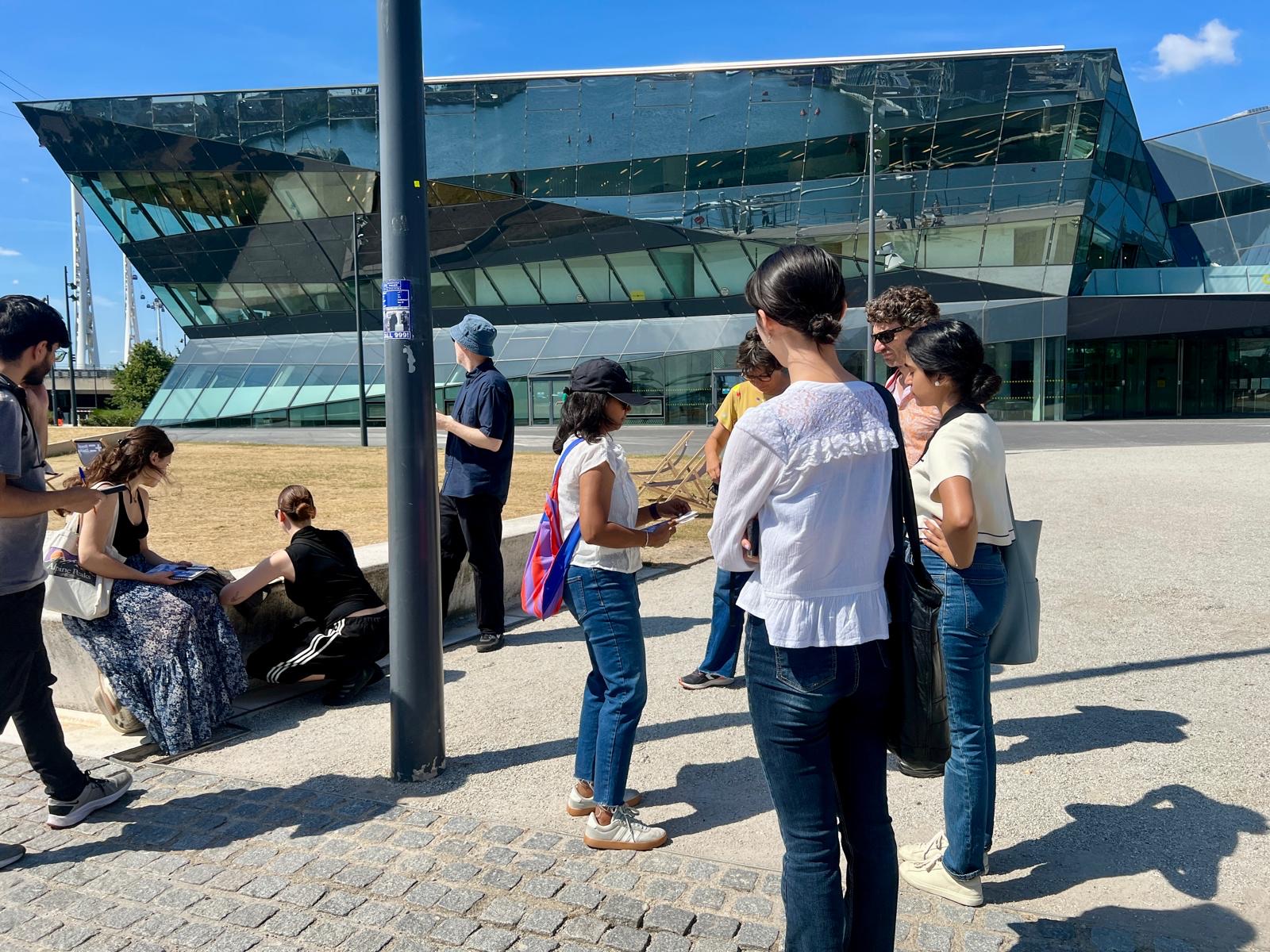

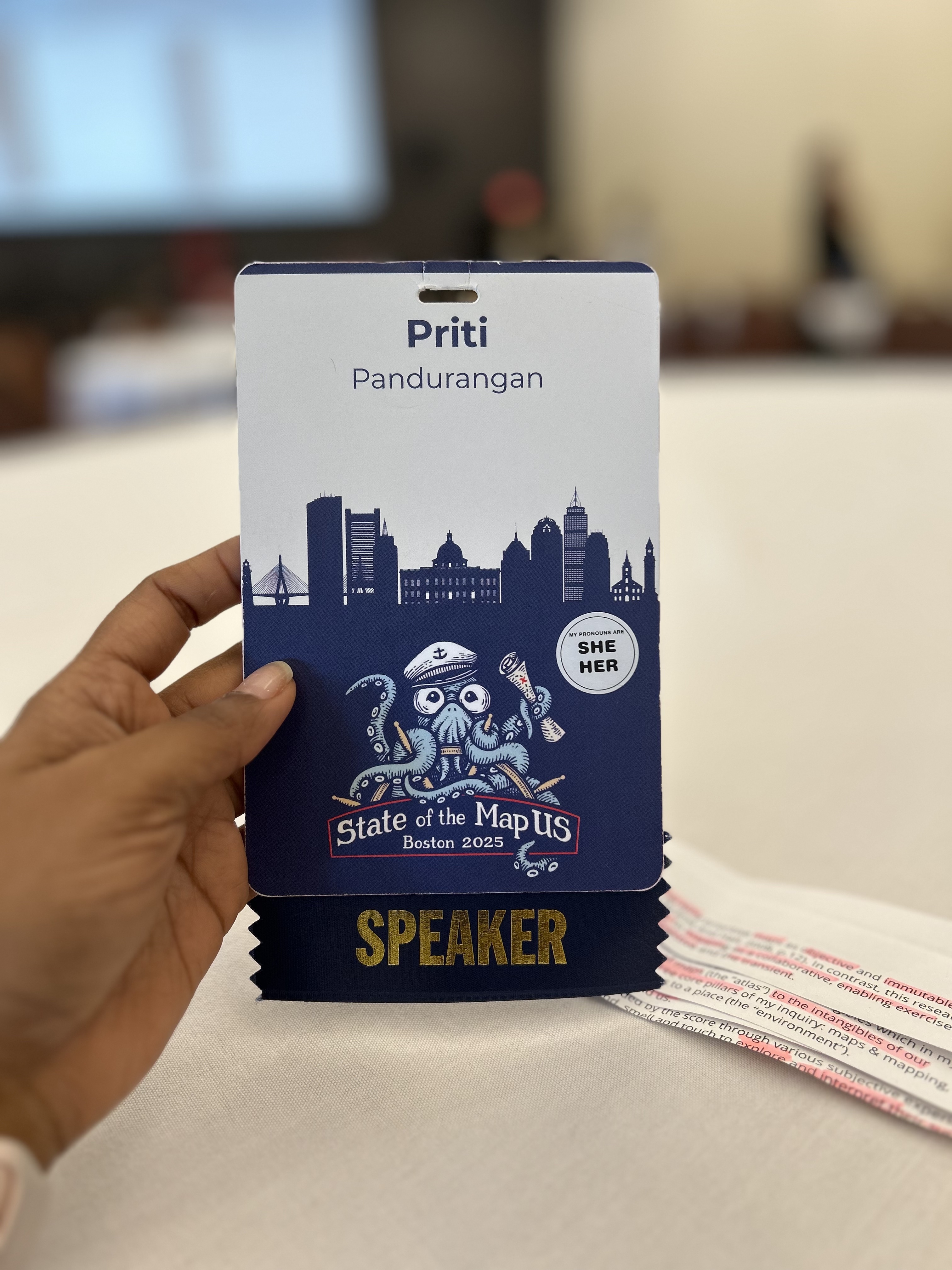
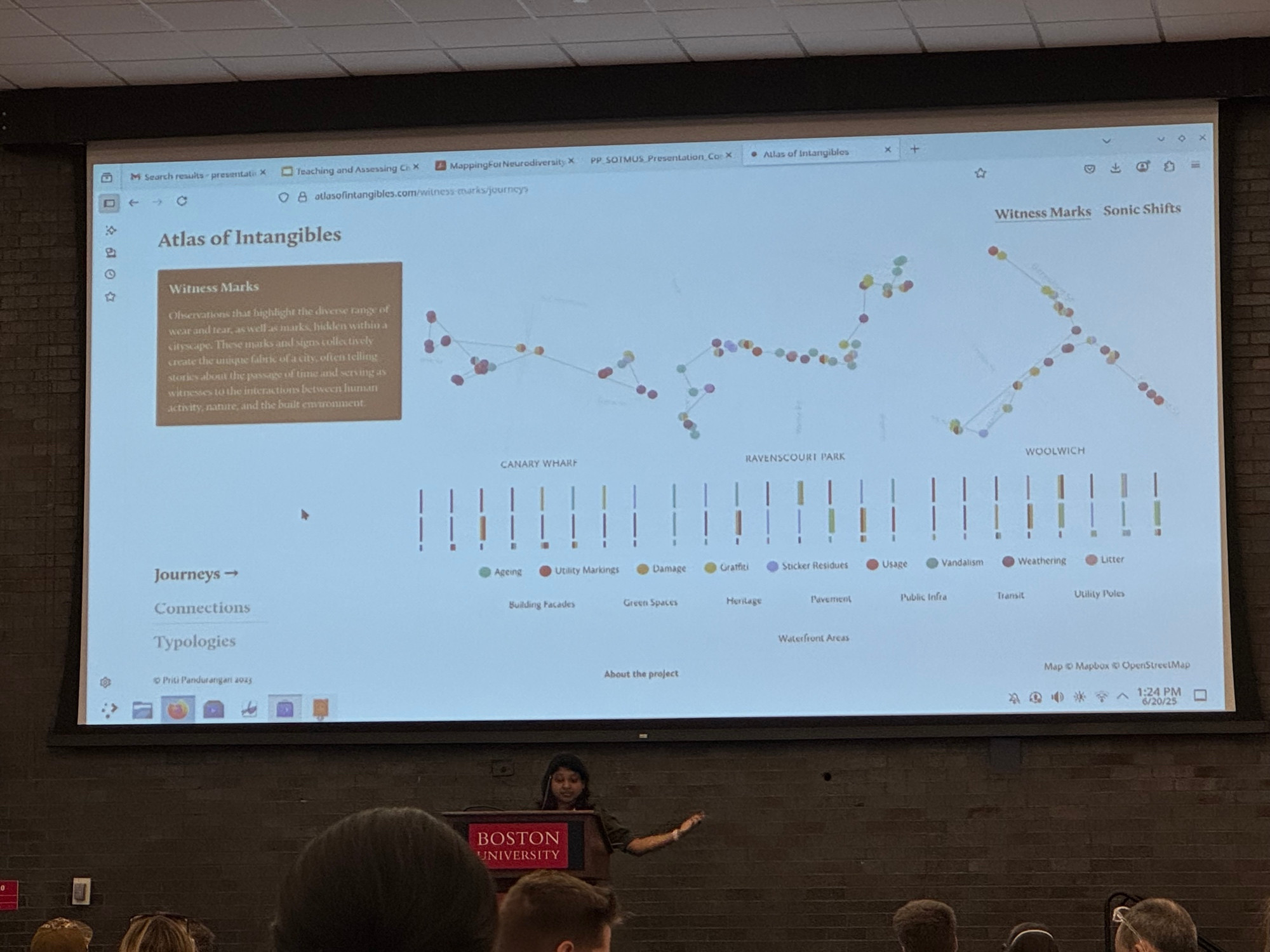
Wrapped up my data walk and talk at the State of the Map US. I advocated for a more expansive data collection and mapping practice: one that charts the subjective, messy, and affective layers of 'place'.
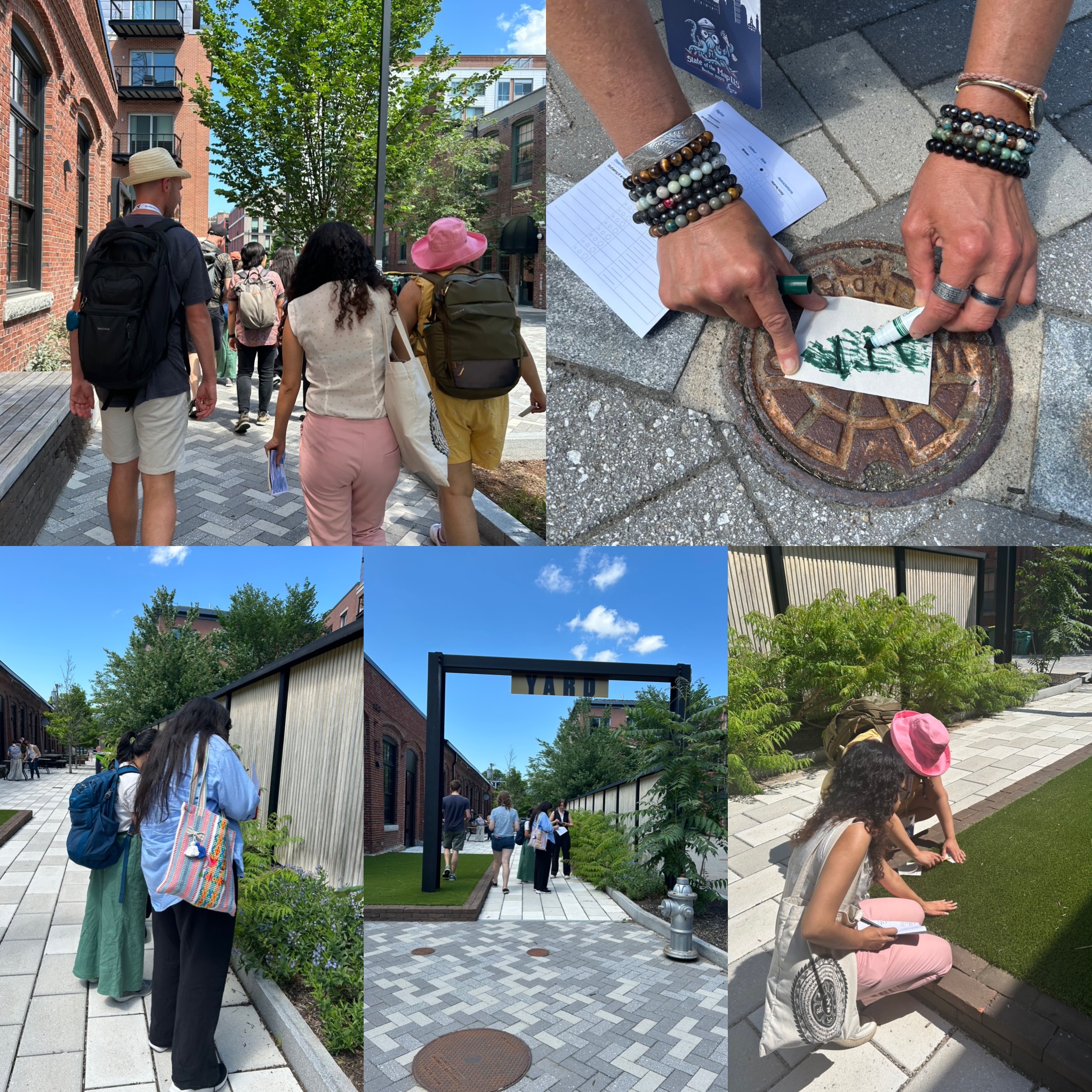

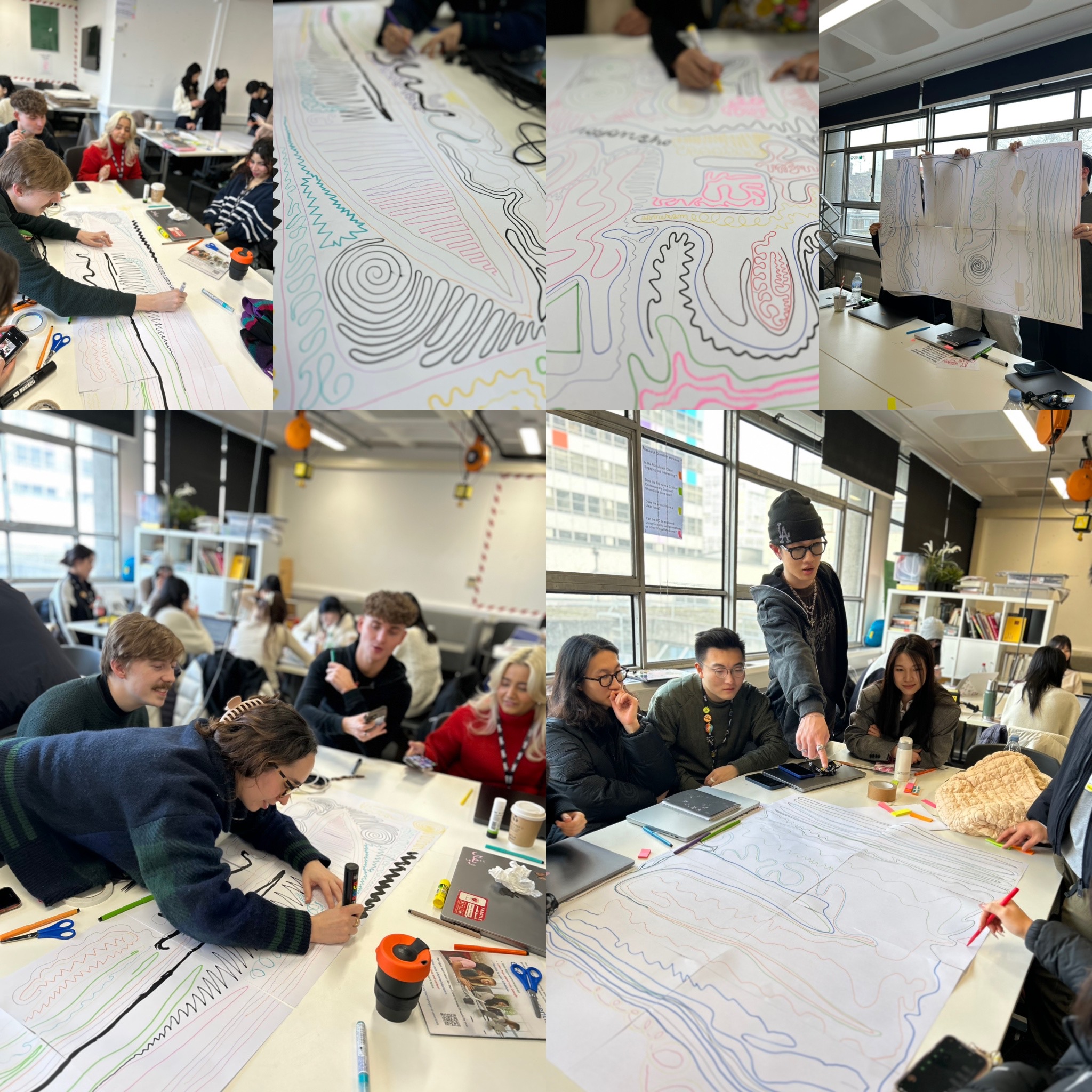
Introduced rule-based/conditional drawing in my creative coding module at LCC as a way to understand computation.
At the third edition of Creative Coding Crafts Space, Ajith and I led a workshop where we recreated some iconic algorithmic artworks featured in Tate’s Electric Dreams exhibition. We also rolled these pen-plotted postcards for all participants to take home.